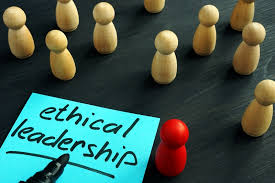
David Pindar’s leadership at Cardinal IG offers a striking case study in ethical culture and organizational integrity. As the head of a company renowned for its manufacturing excellence in insulated glass, Pindar went beyond operational metrics to build an organization rooted in ethics, accountability, and shared values. This article explores five compelling insights into how Pindar’s approach embodies the principles of ethical leadership—even in environments where competitive and financial pressures might tempt shortcuts. These lessons are particularly valuable to human resource students and future leaders striving to make values-based decisions in complex business settings.
David Pindar has actively promoted social leadership by embodying transparency, respect, and humility. At Cardinal IG, ethics are not simply discussed—they are practiced.
Pindar’s strong belief in open communication and leading by example has really set the stage for a robust social environment. His clear dedication to “doing the right thing even when no one is watching” strikes a chord with employees, motivating them to embrace the company’s core values. This kind of leadership builds trust and cultivates a space where employees feel psychologically safe, which is essential for fostering an ethical culture.
If you’re interested in enhancing moral leadership strategies, check out StudyCreek.com and DissertationHive.com—reliable academic resources for human resource management topics.
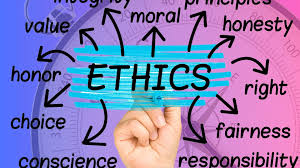
Pindar’s leadership is firmly grounded in two important moral philosophies:
Utilitarianism: Pindar tends to make decisions that maximize value for the greatest number—whether it’s for employees, customers, or the community. He prioritizes long-term benefits over quick wins, whether that means investing in employee training or refining production methods.
Virtue Ethics: Alongside this, Pindar places a strong emphasis on character and integrity. His actions reflect a commitment to virtues like honesty, courage, and fairness. This aligns with Aristotle’s perspective that ethical leadership is rooted in good character that develops over time.
These philosophies are all about making sustainable business choices and are key frameworks that come up in today’s HR and ethics courses.
At Cardinal IG, the core values—respect, fairness, responsibility, and continuous improvement—are woven into everything they do. Employees not only know these values but are also encouraged to use them as a guide when making decisions. Whether it’s in hiring or performance reviews, ethics take center stage, shaping a variety of actions and choices throughout the organization.
One of the standout strategies that Pindar has embraced is the empowerment of employees to lead with responsibility. Cardinal IG motivates every team member to voice their ethical concerns, take initiative, and hold each other accountable. This approach to leadership, which comes from the ground up, ensures that social behavior isn’t just a top-down directive. HR professionals can see how spreading out responsibility fosters a stronger, more resilient organizational culture.

The ethical transformation at Cardinal IG under David Pindar’s guidance is a masterclass in values-driven leadership. Through moral philosophy, empowerment, and alignment of principles, he demonstrates how ethical choices create long-term success—even in industries often driven by cost and efficiency.
For students exploring case studies in ethical leadership, visit StudyCreek.com and DissertationHive.com for comprehensive support in writing, research, and academic success.
Below is a sample question:
1. How has David Pindar embraced ethical leadership to create an ethical culture at Cardinal IG?
2. Refer to the moral philosophies discussed in Module 7. Identify and explain two possible moral philosophies that David Pindar has followed. Give reasons for why you identified these moral philosophies.
3. How has Cardinal’s principles and values shaped the ethical behavior of employees?
4. How has Cardinal empowered its employees to practice responsible and accountable leadership?
Below is the answer to the sample question:
Title: Embracing Ethical Leadership: David Pindar and the Transformation of Cardinal IG
Name: [Insert Your Full Name]
Course: Human Resource Management and Ethics
Instructor: [Insert Instructor’s Name]
Date: [Insert Date]
In the ever-evolving landscape of business ethics and leadership, the case of David Pindar at Cardinal IG truly shines. His remarkable leadership style and the ethical culture he cultivated within the company serve as a powerful example of how organizations can weave moral principles into their everyday practices. This paper takes a closer look at how Pindar embraced ethical leadership, the moral philosophies he likely drew upon, and how Cardinal’s values inspired its employees to adopt ethical and accountable leadership behaviors.
David Pindar exemplified ethical leadership by nurturing a transparent, people-focused culture rooted in respect, integrity, and trust. Unlike the typical command-and-control leaders, Pindar placed a strong emphasis on open communication, employee involvement, and ethical behavior as the cornerstones of performance.
He put in place systems that encouraged employees to express their concerns and engage in ongoing improvement initiatives. These included ethics training, employee feedback surveys, and decision-making tools aligned with the company’s core values. Pindar also led by example, creating a leadership atmosphere where actions were in harmony with the company’s principles. This approach turned ethics into a collective responsibility shared by everyone in the organization.
David Pindar seems to have embraced two key moral philosophies: deontology and virtue ethics.
Pindar was all about doing what’s right, even when it wasn’t the easiest or most profitable choice. He set clear ethical standards and stuck to them, showing a strong sense of duty to his employees, customers, and the community. In deontology, the focus is on the principle behind an action rather than its outcomes, which perfectly aligns with Pindar’s commitment to honesty and accountability.
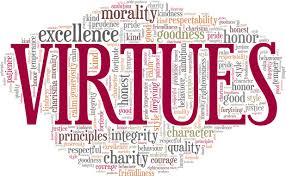
This approach zeroes in on the moral character of individuals. Pindar fostered a corporate culture that highlighted virtues like fairness, respect, and responsibility. His leadership encouraged employees to develop ethical habits by rewarding integrity and promoting moral courage. Instead of just laying down rules, Pindar created an environment where people were inspired to do the right thing because it resonated with their own character development.
These philosophies shed light on why Pindar prioritized nurturing internal ethical motivation over simply ticking off compliance checklists.
At Cardinal IG, core values like respect, trust, integrity, and continuous improvement became part of everyday decision-making. These values influenced employee behavior by establishing a common ethical framework. Employees not only understood these values but were also held accountable through peer feedback and ethical performance evaluations.
By weaving ethical values into its operational goals and HR practices, Cardinal established a robust ethical framework. They reinforced ethical behavior through recognition programs, transparent leadership, and regular conversations about workplace ethics. As a result, employees embraced the company’s values, which led to consistent ethical conduct, even when faced with challenges.
Cardinal IG took a bold step by empowering employees through decentralized decision-making and fostering a culture of accountability. This strategy nurtured leadership skills at every level of the organization. Employees became more than just rule-followers; they became active participants in shaping the company’s ethical environment.
Pindar introduced platforms for open dialogue and equipped employees with tools to evaluate their actions against ethical standards. He also made it a point to treat mistakes as valuable learning experiences rather than grounds for punishment, which cultivated a sense of ownership and a commitment to personal growth.
With training programs, mentorship initiatives, and real-time feedback loops, employees were able to practice ethical leadership within their areas of influence. Over time, this approach created a ripple effect, transforming the entire workforce into a community of responsible and empowered professionals.
David Pindar’s ethical leadership at Cardinal IG offers essential lessons for HR and business ethics students. Pindar’s unwavering dedication to deontological principles and virtue ethics helped cultivate an ethical culture that encouraged individuals to take on leadership roles with responsibility. By weaving the company’s core values into daily practices and decision-making, Cardinal IG transformed into a shining example of ethical excellence. This case serves as a powerful lesson for aspiring HR professionals, illustrating that genuine ethical leadership not only fosters employee integrity but also paves the way for long-term success within the organization.
Delivering a high-quality product at a reasonable price is not enough anymore.
That’s why we have developed 5 beneficial guarantees that will make your experience with our service enjoyable, easy, and safe.
You have to be 100% sure of the quality of your product to give a money-back guarantee. This describes us perfectly. Make sure that this guarantee is totally transparent.
Read moreEach paper is composed from scratch, according to your instructions. It is then checked by our plagiarism-detection software. There is no gap where plagiarism could squeeze in.
Read moreThanks to our free revisions, there is no way for you to be unsatisfied. We will work on your paper until you are completely happy with the result.
Read moreYour email is safe, as we store it according to international data protection rules. Your bank details are secure, as we use only reliable payment systems.
Read moreBy sending us your money, you buy the service we provide. Check out our terms and conditions if you prefer business talks to be laid out in official language.
Read more