In the fast-paced world of business today, creating a well-thought-out compensation system isn’t just a nice-to-have; it’s essential. For companies like Tomax Corporation, which is focused on cultivating a skilled and adaptable workforce of 400 employees, it’s crucial that their compensation strategies are in sync with ever-evolving business objectives. This article presents four essential compensation strategies—highlighting both winning insights and hidden pitfalls—to help human resource students and professionals design impactful pay systems.
Explore more expert insights and assignment help at StudyCreek.com and DissertationHive.com, leading academic platforms for HR and business students.
Tomax Corporation must develop a compensation policy that attracts, retains, and motivates talent capable of thriving in a fast-paced environment.
When it comes to compensation, there are a few key objectives to keep in mind:
Market Competitiveness: It’s important to offer salaries that are on par with or even a bit higher than what’s typical in the industry to draw in the best talent. Pay-for-Performance: By introducing bonuses and incentives tied to performance, we can encourage productivity and spark innovation. Internal Equity: We need to make sure that everyone feels they’re being treated fairly across different roles and departments, which helps boost morale and keep turnover low. Flexibility and Adaptability: Incorporating options like variable pay, profit sharing, and skill-based pay allows us to stay responsive to changing market conditions.
If we overlook these objectives, we risk ending up with a disengaged workforce that isn’t performing at its best. Tomax must continuously evaluate compensation effectiveness to stay competitive.
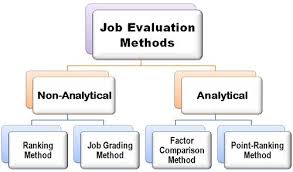
Job evaluation is a systematic process of determining the relative value of different positions within an organization to ensure fair compensation.
Major Job Evaluation Systems:
Ranking Method: Jobs are ordered from highest to lowest based on their overall value. Advantage: Simple and fast.
Disadvantage: It’s subjective and might not fit well with larger organizations.
Classification Method: This approach organizes jobs into specific grades or classes. Advantage: It offers a clear structure and consistency. Disadvantage: It can be rigid and may overlook the unique aspects of different jobs.
Point-Factor Method: Here, jobs are evaluated based on important factors like skills and responsibilities. Advantage: It’s analytical and objective. Disadvantage: It can be quite time-consuming and often needs input from experts.
Factor Comparison Method: This method merges ranking and point systems by directly comparing job elements. Advantage: It provides detailed and accurate insights. Disadvantage: It’s complex and not commonly used these days.
For HR students focusing on compensation strategy, grasping these systems is crucial. If you need in-depth assignments and case studies, check out DissertationHive.com.
Wage and salary surveys are vital for gathering data to benchmark compensation. Here are the basic steps:
A compensation scorecard is a tool used to align a company’s compensation system with its strategic goals. It evaluates compensation outcomes using metrics such as:
Benefits:
Drawback:
Implementation can be complex without clear metrics or leadership support.
For HR students learning to connect theory with practice, the compensation scorecard offers a robust framework. Learn more through real-world HRM assignments on StudyCreek.com.
Designing a strategic compensation system is about so much more than just deciding on salaries. It’s really about making sure that pay reflects performance, aligns with your company’s values, and responds to market trends. Whether you’re diving into an HR project or gearing up to step into the workforce, grasping these four key strategies will empower you to build compensation systems that benefit both individuals and the overall success of the business.
Explore more at StudyCreek.com and DissertationHive.com for academic guidance, HR case solutions, and custom writing support tailored to human resource management studies.
Below are sample questions:
1. Tomax Corporation has 400 employees and wishes to develop a compensation policy to correspond to its dynamic business strategy. The company wishes to employ a high quality workforce capable of responding to a competitive business environment. Suggest different compensation objectives to match Tomax’s business goals.
3. What is job evaluation? Explain the differences between the major job evaluation systems, noting the advantages and disadvantages of each.
4. Describe the basic steps in conducting a wage and salary survey. What are some factors to consider?
6. What is a compensation scorecard and how does it help align a company’s strategy with its compensation system?
Below are answers to the sample questions:
Title: Strategic Compensation and Evaluation Practices: Key Concepts for Modern HR Professionals
Name: [Your Name]
Course: Human Resource Management and Compensation Systems
Instructor: [Instructor’s Name]
Date: [Insert Date]
Introduction
In the fast-paced world of business today, organizations must have strategic compensation systems that not only align with their overarching goals but also adapt to the competitive landscape. For companies like Tomax Corporation, which aims to build a skilled and flexible workforce, effective compensation planning is a crucial aspect of Human Resource Management (HRM).
This paper explores four key areas crucial to compensation design: developing strategic compensation objectives, understanding job evaluation systems, conducting wage and salary surveys, and applying compensation scorecards. These concepts are essential for HR students preparing for roles in compensation management and strategic HR planning.
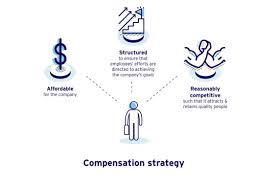
Tomax Corporation, boasting a team of 400 employees and a vision for dynamic, competitive operations, is on the lookout for a compensation policy that not only attracts top talent but also keeps high performers engaged. This policy should encourage agility, innovation, and tangible results. Here are the key compensation objectives that align with this vision:
Attracting Top Talent: Offering competitive base salaries, sign-on bonuses, and a strong employer brand can help lure in the best candidates. Keeping Skilled Employees: Long-term incentives like stock options, retention bonuses, and solid retirement benefits foster loyalty and help minimize turnover. Incentives Based on Performance: Implementing bonus systems linked to performance metrics, such as profit sharing or productivity bonuses, ensures that employee efforts are in sync with the company’s success. Encouraging Skill Development: Providing pay raises for acquiring new skills or certifications not only supports employee growth but also enhances the organization’s adaptability. Ensuring Fairness: Maintaining equitable pay for similar roles internally and staying competitive with industry standards externally helps prevent dissatisfaction and potential legal issues.
These objectives not only support Tomax’s need for agility but also help establish it as a preferred employer in a competitive landscape.
Job evaluation is all about figuring out the relative worth of different jobs within an organization .It serves as a foundation for developing equitable pay structures.
Major Job Evaluation Systems:
Ranking Method
Factor Comparison Method
Description: Combines ranking and point methods by comparing compensable factors.
When it comes to job evaluation systems, there are some clear advantages and disadvantages to consider. On the plus side, these systems are analytical and can be customized to meet the specific needs of an organization. However, they can also be quite complex and aren’t as widely used in today’s HR practices. Ultimately, the best job evaluation system for your organization will depend on factors like its size, the variety of jobs it offers, and the resources you have at your disposal.
A wage and salary survey is a valuable tool that provides market-based insights to help establish fair and competitive pay levels. Here’s how to go about it:
Define Objectives and Scope: Start by pinpointing the specific jobs you want to survey and outline your goals—whether that’s comparing salaries within the same industry or region.
Select Participants and Data Sources: Gather information from industry reports, government databases, or even custom surveys conducted with peer organizations.
Design the Survey Instrument: Make sure to include key compensation metrics such as base pay, bonuses, and benefits in your survey.
Collect and Analyze Data: Once you have the data, aggregate and interpret it to spot trends and any disparities.
Make Adjustments and Communicate Findings: Revise your compensation structures as needed and keep stakeholders in the loop about your findings.
Key Factors to Consider:
– Geographic location and cost of living – Industry type and competitiveness
Organizational size and structure
Let’s dive into the topic of legal compliance and labor market dynamics.
Ignoring these elements can lead to flawed compensation strategies and unhappy employees.
A compensation scorecard is a strategic tool that connects an organization’s pay policies with its broader business strategy. It monitors key performance indicators (KPIs) related to employee compensation and how it influences overall organizational performance.
Key Features:
Strategic Alignment: Makes sure that compensation practices are in sync with business objectives (like innovation and cost-effectiveness). Performance Metrics: Keeps an eye on turnover rates, employee engagement, pay-for-performance ratios, and the return on investment of reward programs. Transparency and Accountability: Offers clear proof of how effective compensation strategies are to management and stakeholders. Flexibility: Adapts to ongoing changes based on business needs and market trends.
For instance, if Tomax’s strategy is to branch out into new markets, the scorecard could evaluate how well incentives are working to motivate regional teams. On the flip side, a poorly crafted scorecard might misdirect focus or promote short-term gains over long-term growth.
Compensation systems go beyond just salaries—they embody an organization’s core values, strategic goals, and competitive edge. For HR students and aspiring professionals, grasping the essentials of compensation objectives, job evaluation techniques, survey methods, and scorecard implementation is vital. These tools empower companies like Tomax Corporation to sustain a high-performing workforce in today’s fast-paced business environment.
To dive deeper into HR strategy and compensation planning, students can tap into resources and expert insights available on StudyCreek.com and DissertationHive.com, both reputable platforms for academic and professional growth.
Delivering a high-quality product at a reasonable price is not enough anymore.
That’s why we have developed 5 beneficial guarantees that will make your experience with our service enjoyable, easy, and safe.
You have to be 100% sure of the quality of your product to give a money-back guarantee. This describes us perfectly. Make sure that this guarantee is totally transparent.
Read moreEach paper is composed from scratch, according to your instructions. It is then checked by our plagiarism-detection software. There is no gap where plagiarism could squeeze in.
Read moreThanks to our free revisions, there is no way for you to be unsatisfied. We will work on your paper until you are completely happy with the result.
Read moreYour email is safe, as we store it according to international data protection rules. Your bank details are secure, as we use only reliable payment systems.
Read moreBy sending us your money, you buy the service we provide. Check out our terms and conditions if you prefer business talks to be laid out in official language.
Read more