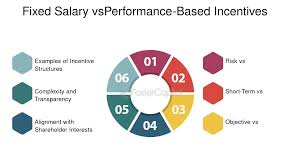
In the fast-changing landscape of compensation management, few subjects ignite as much discussion as executive pay and team-based incentive programs. For those studying human resource management and organizational leadership, it’s crucial to delve into the reasoning behind these compensation strategies and the controversies they often spark. From CEOs raking in millions to frontline employees questioning the fairness of it all, finding the right balance between reward and responsibility is a tricky endeavor. This article explores seven key insights, presenting both promising strategies and important lessons to heed.
The rationale behind hefty CEO compensation packages usually hinges on the belief that these leaders navigate complex organizations through unpredictable markets, make critical decisions, and enhance shareholder value. Supporters argue that competitive pay is essential for attracting top-tier talent with unique skills. On the flip side, critics highlight that exorbitant pay doesn’t always align with a company’s performance. When executive bonuses are linked to short-term goals, the long-term health of the organization can take a hit.
Students examining this dynamic can explore executive pay studies at StudyCreek.com or get academic assistance in HRM theory at DissertationHive.com.
Peter Drucker famously suggested that the pay for executives shouldn’t be more than 20 to 25 times what the average worker makes. His reasoning is all about fairness and fostering social unity. When income disparities get too wide, it can hurt morale, breed resentment among employees, and even lead to public outcry. While some might see this as a lofty ideal, many companies today are taking a fresh look at pay ratios as part of their ESG (Environmental, Social, and Governance) efforts. This approach encourages transparency and builds trust—both essential ingredients for a thriving organizational culture.
As HR students, critically evaluating such frameworks can lead to more ethical compensation policies. Explore related case studies at StudyCreek.com.
The Dodd-Frank Wall Street Reform and Consumer Protection Act introduced “say-on-pay” votes, which allow shareholders to weigh in on how much executives are paid. Even though these votes aren’t legally binding, they’ve really pushed for more accountability and transparency in the corporate world. Some companies have tweaked their pay structures to keep shareholders happy, but when it comes to actual cuts in executive pay, the changes have been pretty minimal.
Still, the Act represents a shift toward stakeholder capitalism. Human resource professionals must understand the legal landscape shaping compensation governance, which is frequently explored in coursework available on DissertationHive.com.
Surveys on team incentive programs often highlight a lot of dissatisfaction, especially when it comes to fairness, unclear goals, and the feeling of freeloading. When high achievers see their hard work being overshadowed by those who aren’t pulling their weight, their motivation can really take a hit. Plus, if the criteria for evaluations are vague, it can make the rewards feel more like a lottery win than something truly earned.
To tackle these challenges, companies should consider the following steps:
By taking these actions, organizations can promote fairness while still encouraging collaboration.

Absolutely! Getting employees involved in designing the incentive program fosters a sense of ownership and trust. When workers have a hand in shaping reward systems, they’re more likely to believe in them and strive toward the set goals. Plus, their participation can help identify potential issues before the program goes live.
Executive pay and team incentives can spark big dreams but also lead to frustrating outcomes. While high-level compensation might be warranted in certain situations, it needs to be grounded in fairness, performance, and transparency. Likewise, team incentives should be crafted to strike a balance between collaboration and individual accountability.
For human resource students, grasping both ends of the spectrum—from the C-suite to team dynamics—is crucial for developing effective reward strategies. Explore more about performance management topics at StudyCreek.com, or get assistance with your HR capstone at DissertationHive.com. By mastering these intricate issues, you’ll be well-prepared to create compensation systems that genuinely work.
Below is a sample question:
1. Are CEOs and key corporate executives worth the large pay packages they receive? Explain.
2. Do you agree with Peter Drucker that corporate executives should receive compensation packages no larger than a certain percentage of the pay of hourly workers? Explain.
3. Will the Dodd-Frank Wall Street Reform and Consumer Protection Act giving shareholders the right to vote on executive pay influence the size of these packages in the future? Explain.
Case Study 2
1. Do results from the survey illustrate typical complaints about teams and specifically about team incentive rewards? Explain.
2. If appropriate, what changes would you recommend to improve the incentive reward program? Be specific.
3. Would management have benefited from employee involvement in the initial design and implementation of the program? Explain.
Below is the answer to the sample question;
Title: Executive Compensation and Team Incentives: Evaluating Fairness, Effectiveness, and Employee Involvement in Modern HR Practices Student
Name:
Course: Compensation and Benefits in Human Resource Management
Instructor:
Date: June 27, 2025
Introduction
In the ever-changing world of human resource management, compensation strategies are really being put to the test. From the boardroom to the shop floor, discussions about fairness, effectiveness, and strategic impact are at the forefront. This paper dives into two key areas: the justification and regulation of executive pay, and the hurdles that come with team-based incentive programs. By examining these topics, both students and HR professionals can better understand how compensation affects employee motivation, corporate governance, and overall organizational performance.
Executive compensation has always sparked debate. Supporters argue that CEOs and other top executives carry immense responsibility. Their choices can significantly impact shareholder value, strategic direction, regulatory compliance, and employee well-being. Given the complexity of their roles, many believe that high pay is justified, especially in global markets where top talent is hard to come by.
On the flip side, critics argue that these salaries can be excessive and often don’t align with actual performance. Studies reveal that many executives receive hefty bonuses even when their companies are struggling. This disconnect can lead to employee dissatisfaction and public outrage. From an HR perspective, pay should reflect both contributions and results. So, while there are times when high compensation is deserved, it needs to be transparent and tied to performance to keep its credibility intact.
Peter Drucker believed that executive pay shouldn’t be more than 20 to 25 times what the average worker makes. He argued that keeping this ratio helps maintain morale, trust, and fairness within an organization. According to Drucker, when there’s too much of a pay gap, it can weaken the social fabric of the workplace and harm team cohesion.
I really resonate with Drucker’s viewpoint, especially in fields where teamwork and morale are crucial. A significant pay disparity between executives and regular employees can dampen motivation for those on the lower rungs. It creates a perception that leadership is out of touch with the everyday experiences of the workforce. By capping executive salaries in relation to employee wages, we can promote fairness and cultivate a sense of shared mission.
The Dodd-Frank Wall Street Reform and Consumer Protection Act brought in the “say-on-pay” rule, which gives shareholders a chance to vote on executive pay packages.
Even though these votes are just advisory and not mandatory, they’ve boosted transparency and pushed boards to explain hefty compensation deals. Over time, this act could lead to more equitable executive pay structures, particularly in publicly traded companies. Shareholders are becoming more vocal about the connection between pay and performance. While many companies still hand out generous packages, increased scrutiny might help rein in excess and promote a better alignment between executive pay and long-term company goals. For HR professionals, grasping the effects of regulations is crucial when crafting sustainable and ethical pay models.
Yes. The survey results likely reflect common criticisms about team incentive rewards. These issues often include:
These concerns point to a major flaw in poorly designed team incentive plans: a gap between effort and reward. When people don’t feel acknowledged for their individual contributions, it can really hurt morale and productivity.
To make the incentive reward system more effective, here are a few changes to consider:
Implementing these changes would not only enhance fairness but also boost the overall effectiveness of the incentive program.
Yes, management would have significantly benefited from employee involvement during the initial stages of the incentive program. When employees are excluded from program design, several issues arise:
By involving employees in the process, you foster a sense of ownership, build trust, and boost the chances that the plan will actually achieve its goals. Utilizing focus groups, surveys, or pilot tests with employee feedback can provide valuable insights before the full rollout.
Executive compensation and team incentive systems are crucial tools that influence employee motivation and drive organizational success. While it’s true that CEOs might deserve high salaries, it’s important that their pay is linked to clear, performance-based results. Peter Drucker’s perspective on pay equity offers a valuable ethical framework, especially in today’s business landscape where social responsibility is key. On the other hand, team incentive plans should be crafted with fairness, transparency, and employee participation in mind to really hit the mark.
For students in human resources, grasping these compensation principles is vital for creating inclusive, effective, and sustainable organizations. If you’re looking for more academic resources, templates, or help with HR case studies, check out StudyCreek.com and DissertationHive.com—your reliable partners in human resource education and academic success.
Delivering a high-quality product at a reasonable price is not enough anymore.
That’s why we have developed 5 beneficial guarantees that will make your experience with our service enjoyable, easy, and safe.
You have to be 100% sure of the quality of your product to give a money-back guarantee. This describes us perfectly. Make sure that this guarantee is totally transparent.
Read moreEach paper is composed from scratch, according to your instructions. It is then checked by our plagiarism-detection software. There is no gap where plagiarism could squeeze in.
Read moreThanks to our free revisions, there is no way for you to be unsatisfied. We will work on your paper until you are completely happy with the result.
Read moreYour email is safe, as we store it according to international data protection rules. Your bank details are secure, as we use only reliable payment systems.
Read moreBy sending us your money, you buy the service we provide. Check out our terms and conditions if you prefer business talks to be laid out in official language.
Read more