
Discover how globalization affects local cultures and identities with real-life examples, in-depth analysis, student-friendly explanations, and FAQs. Get academic help from Study Creek and Dissertation Hive for your research papers and essays.
Globalization is more than just a buzzword; it’s a transformative force shaping how we work, think, interact, and even express who we are. But as the world becomes a global village, many students wonder: how does globalization affect local cultures and identities?
This article explores that question in-depth using student-friendly language, humanized examples, and real-life applications. Whether you’re writing a sociology essay or preparing a presentation, this guide will give you the clarity and resources you need to succeed academically.
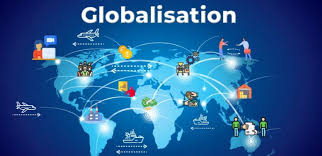
Globalization refers to the increasing interconnectedness of people, economies, and nations. Through trade, travel, the internet, and global media, people can now interact across borders with ease. However, this increased interaction comes with cultural consequences—both enriching and challenging.
Tip for Students: Use the term “interconnectedness” in your essays—it shows deeper understanding and scores points with lecturers.
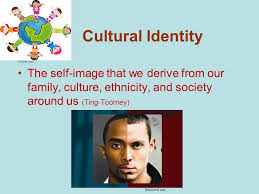
Cultural identity refers to the shared language, beliefs, customs, traditions, and practices that define a community or group of people. This includes things like:
Language (e.g., Swahili, Arabic, Mandarin)
Customs & Traditions (e.g., Maasai initiation rites, Indian weddings)
Values (e.g., community support, respect for elders)
Dress, Art, and Cuisine
Your cultural identity is what makes you feel “home,” even in a foreign country.
Let’s not forget—globalization has its perks. It’s not just doom and gloom.
Through globalization, students in Kenya can learn Japanese, try Italian pasta, or celebrate World Hijab Day. This cultural exchange builds tolerance and awareness.
Local artists can now sell crafts internationally through platforms like Etsy. Afrobeat, K-pop, and Nollywood are booming globally thanks to digital platforms.
Ironically, globalization allows dying cultures to survive. Indigenous groups can archive stories, songs, and languages through digital recordings and blogs.
Check out Dissertation Hive’s Cultural Research Guide for help writing on these topics.
Globalization also has downsides, especially when powerful cultures overshadow smaller ones.
The dominance of American or Western culture often causes a loss of diversity. Local languages, festivals, or food traditions may disappear.
Languages like Ainu (Japan) or El Molo (Kenya) are disappearing because youth no longer speak them. English and French dominate education and media.
Traditional values such as communal sharing or respect for elders may be replaced by individualistic, materialistic mindsets promoted in global media.

Urban youth in Nairobi often prefer English and hip-hop to local languages or tribal music. However, projects like Kenya Cultural Week promote revival.
Western fast food chains have altered dietary habits, yet traditional cuisines are being marketed globally as “heritage foods.”
Amazonian tribes use WhatsApp and solar panels to communicate and document their oral traditions.
Social media spreads trends rapidly. Young people adopt American slang, music, and fashion, sometimes at the cost of their own traditions.
Yet platforms like YouTube and TikTok are also being used to teach local dances, dialects, and history. It’s all about how you use the tool.
For an academic breakdown of this, refer to Study Creek’s Media & Culture Guide.
Mother Tongue Education – Teach kids in local languages first.
Community-Based Festivals – Celebrate what’s unique locally.
Incorporate Cultural Content in Curriculum – Encourage schools to include folklore, music, and traditional games.
Digital Archiving Projects – Record oral histories, recipes, and rituals.
Support Local Artisans – Buy from cultural vendors and support cultural tourism.
Educational institutions play a key role in shaping cultural pride. Schools and universities should:
Offer language electives in indigenous languages.
Teach comparative culture subjects.
Encourage intercultural exchanges within Africa and beyond.
Dissertation Hive offers thesis help on education and globalization topics.

What is globalization in simple terms?
Globalization means the world is becoming more connected through trade, media, technology, and people.
How does globalization affect identity?
It can blur or change identity by introducing new cultures and weakening traditional ones.
Does globalization only affect poor countries?
No, even wealthy countries experience cultural shifts due to globalization.
Is cultural loss always bad?
Not necessarily. Cultures evolve, but losing valuable traditions can weaken social identity.
What are some examples of cultural globalization?
McDonald’s in Nairobi, American movies in Tokyo, or K-pop in Uganda.
How can we stop losing our culture?
By teaching languages, celebrating local traditions, and supporting cultural education.
Is globalization reversible?
Not completely. But its effects can be managed or localized.
What is glocalization?
It means adapting global products to local cultures (e.g., McArabia in the Middle East).
What are hybrid identities?
A mix of global and local culture in a person’s identity (e.g., Afro-Western fashion).
Does technology help or harm culture?
Both. It can spread foreign culture but also preserve local ones.
Can social media promote culture?
Yes, especially when used to share traditional dances, recipes, or language lessons.
What is cultural imperialism?
When one culture dominates and erodes another through media, language, or economy.
How does globalization affect fashion?
It mixes styles globally, making fashion more diverse but also less traditional.
Are youth more vulnerable to cultural loss?
Yes, because they are more exposed to global media.
How can communities preserve culture in urban areas?
Through local events, community centers, and cultural organizations.
Are local foods at risk due to globalization?
Yes, fast food often replaces traditional diets.
What role does tourism play in culture?
It can preserve culture if done respectfully, but can also commercialize it.
What is cultural appropriation?
Using another culture’s symbols without respect or understanding.
How does migration affect identity?
Migrants often adopt parts of new cultures while retaining their own.
Do global companies respect culture?
Some do, some don’t. It depends on their ethical practices.
Can globalization unite cultures?
Yes, through shared music, language, and global causes.
Is learning English bad for local languages?
Not bad, but it can lead to language loss if not balanced.
Why do governments support globalization?
For economic growth, investment, and development.
How do indigenous people feel about globalization?
Mixed feelings—some adapt, others resist strongly.
What can students do to protect culture?
Learn your native language, ask elders about traditions, and use tech to share them.

Globalization is neither the villain nor the savior of local cultures. It’s a complex force that opens doors while also threatening cultural uniqueness. Students and educators must be proactive in making globalization work for their culture—not against it.
| Name: | ____________________________ |
|---|---|
| Student ID: | ____________________________ |
| Course Title: | ____________________________ |
| Course Code: | ____________________________ |
| Lecturer’s Name: | ____________________________ |
| Institution: | ____________________________ |
| Date of Submission: | _______________________ |
| Semester/Trimester: | _______________________ |
Introduction
In today’s increasingly interconnected world, globalization has become an influential force that shapes economies, politics, and cultures. While globalization promises economic growth, cultural exchange, and technological advancement, it also raises profound concerns regarding the preservation of local cultures and identities. This paper explores how globalization affects local cultures and identities, presenting both the enriching and eroding dimensions of this global process.
Globalization refers to the process by which countries, businesses, and people become interconnected through increased trade, communication, migration, and technology. Cultural identity, on the other hand, involves the shared values, customs, languages, beliefs, and practices that define a group of people and distinguish them from others.
The intersection between globalization and culture is both dynamic and complex. Globalization can introduce new perspectives and expand horizons, yet it also poses challenges to cultural distinctiveness, especially in communities trying to maintain their heritage amidst global pressures.
Globalization enables people from different parts of the world to interact, share, and learn from one another. Through international travel, social media, music, film, and cuisine, people are exposed to global cultures that can complement or inspire their own.
For example, African fashion designers now draw global attention and collaborate with international artists, bringing traditional fabrics like kente and kitenge into mainstream fashion. Similarly, yoga, originally from India, is now practiced worldwide, helping to preserve and promote Indian cultural heritage.
Globalization has enabled traditional artisans and cultural practitioners to reach wider markets. With platforms like Etsy, TikTok, or Instagram, small-scale local businesses based on cultural heritage—be it jewelry-making, basket weaving, or traditional dance—can now monetize their talents and expand their audience.
Global movements, documentaries, and academic exchanges help foster understanding of marginalized or lesser-known cultures. Initiatives like UNESCO’s cultural heritage programs aim to preserve and protect diverse world cultures, especially in the face of modernization and development.
Despite the potential benefits, globalization often contributes to the erosion of local cultures and identities in the following ways:
One of the most significant criticisms of globalization is that it leads to cultural homogenization—where dominant cultures, particularly Western ones, overpower and erase local traditions. The widespread influence of Hollywood, McDonald’s, and global fashion trends can diminish the value and visibility of indigenous practices, languages, and beliefs.
In Kenya, for instance, English and Swahili dominate in schools and media, often at the expense of native languages like Kikamba, Kikuyu, or Dholuo, which risk extinction due to limited transmission to younger generations.
As youth embrace global lifestyles, including foreign languages, fashion, music, and values, traditional practices are sometimes viewed as backward or irrelevant. Ceremonial rites, folklore, and ancestral customs can fade away when they are not actively practiced or passed down.
This disconnect between generations weakens communal ties and the cultural education that traditionally occurred within families and villages.
Globalization has also made it easier for powerful corporations and individuals to adopt cultural symbols without proper acknowledgment or compensation. Cultural appropriation—such as using sacred tribal symbols as fashion or turning cultural practices into commercial commodities—can devalue cultural significance and result in exploitation.
The internet and global media have been central to globalization. On the one hand, they offer a platform to showcase culture and challenge stereotypes. On the other hand, they often promote Western ideals of beauty, success, and lifestyle, which can displace indigenous values and create unrealistic social expectations.
Streaming platforms like Netflix might introduce global viewers to Nigerian Nollywood or Korean K-dramas, but they can also normalize predominantly American or European narratives, sidelining local storytelling.
Despite the pressures, many communities are actively resisting cultural loss by:
Reviving local languages through school programs and digital content.
Organizing cultural festivals that celebrate traditional music, dance, and food.
Using social media to educate younger generations on their heritage.
Creating hybrid identities where global and local cultures co-exist (glocalization).
These efforts show that while globalization poses threats, it does not automatically erase identity. Instead, it challenges communities to be more intentional in preserving what defines them.
The Maasai people are a prime example of a group that has adapted to globalization while maintaining cultural pride. Tourists from around the world visit Maasai communities to witness traditional dance, beadwork, and dress. The Maasai have leveraged globalization through cultural tourism and global advocacy, yet they continue to face pressures from modern schooling, land privatization, and economic changes.
This dual existence—engaging with the global world while preserving cultural norms—reflects the complex relationship between globalization and identity.
Globalization is neither entirely a threat nor a blessing to local cultures and identities—it is a force that both challenges and enriches. While it can lead to cultural dilution and loss, it also presents opportunities for cultural growth, dialogue, and innovation. The key lies in conscious efforts to balance global influences with local pride. Nations, educators, and individuals must work together to protect, celebrate, and promote cultural diversity in an interconnected world.
(Insert at least three academic references relevant to globalization and culture)
Appadurai, A. (1996). Modernity at Large: Cultural Dimensions of Globalization. University of Minnesota Press.
Tomlinson, J. (1999). Globalization and Culture. University of Chicago Press.
UNESCO. (n.d.). Intangible Cultural Heritage. Retrieved from https://ich.unesco.org
Delivering a high-quality product at a reasonable price is not enough anymore.
That’s why we have developed 5 beneficial guarantees that will make your experience with our service enjoyable, easy, and safe.
You have to be 100% sure of the quality of your product to give a money-back guarantee. This describes us perfectly. Make sure that this guarantee is totally transparent.
Read moreEach paper is composed from scratch, according to your instructions. It is then checked by our plagiarism-detection software. There is no gap where plagiarism could squeeze in.
Read moreThanks to our free revisions, there is no way for you to be unsatisfied. We will work on your paper until you are completely happy with the result.
Read moreYour email is safe, as we store it according to international data protection rules. Your bank details are secure, as we use only reliable payment systems.
Read moreBy sending us your money, you buy the service we provide. Check out our terms and conditions if you prefer business talks to be laid out in official language.
Read more