
Let’s set the scene. A bus. A seat. A calm voice saying, “I believe that I have a right to sit here.” No explosions. No dramatic chase sequence. Yet somehow, Bayard Rustin manages to turn this quiet moment into one of the most powerful arguments in American literature and civil rights writing. If you’re a literature student staring at “Nonviolence vs. Jim Crow” and thinking, How am I supposed to squeeze a whole analysis out of this?—congratulations. You’re exactly where critical thinking begins.
Rustin’s essay is a masterclass in how language becomes action. He doesn’t shout injustice. He reasons with it. He exposes it. And then he dismantles it with something far more unsettling than anger: love. From a literary perspective, this text blends rhetorical argument, moral philosophy, and narrative reflection. Your job as a student isn’t to summarize what happens. It’s to unpack how Rustin makes a simple act of sitting echo like a political earthquake.
A strong analysis starts with recognizing Rustin’s strategy. He reframes the bus not just as public transport, but as a classroom. When he mentions the white child who must “know there is injustice here,” he positions himself as both protester and teacher. This move invites readers to consider nonviolence as an educational act. In literary terms, Rustin uses symbolism, ethical appeal, and tone to shift power away from institutions and into the realm of moral authority. The essay shifts its focus from just segregation laws to a deeper discussion about our shared human responsibility.
If that sounds like something your essay could really benefit from, you’re definitely on the right path. However, figuring out what to analyze and how to organize it are two completely different challenges. That’s where looking at real examples comes in handy. Platforms like StudyCreek provide academic-style breakdowns and sample analyses that demonstrate how to craft strong literary arguments from concise yet impactful texts like Rustin’s. Think of it as studying the playbook before you hit the field.
Of course, even the best playbook doesn’t help if your paragraphs wander like a lost shopping cart. A solid literary analysis should move from claim, to evidence, to interpretation, and then connect back to a central idea. In Rustin’s case, that central idea often revolves around love as an active force, nonviolence as strength, and visibility as a weapon against injustice. Each quote you use should not just support your point, but deepen it.
And if you find yourself stuck between twenty open tabs, three half-written introductions, and a blinking cursor that feels mildly judgmental, structured academic support can save your sanity. DissertationHive offers guides and academic resources that help students sharpen arguments, organize analyses, and approach complex texts with more confidence.
Ultimately, “Nonviolence vs. Jim Crow” is not difficult because it is confusing. It’s difficult because it is precise. Rustin’s writing is concise, yet each sentence is packed with deep philosophical meaning. As a literature student, your job is to take your time with it, unpack its layers, and reveal to readers how a man simply sitting on a bus has so much to teach us about power, love, and resistance.
And yes… you can totally write about all of that without driving yourself crazy.
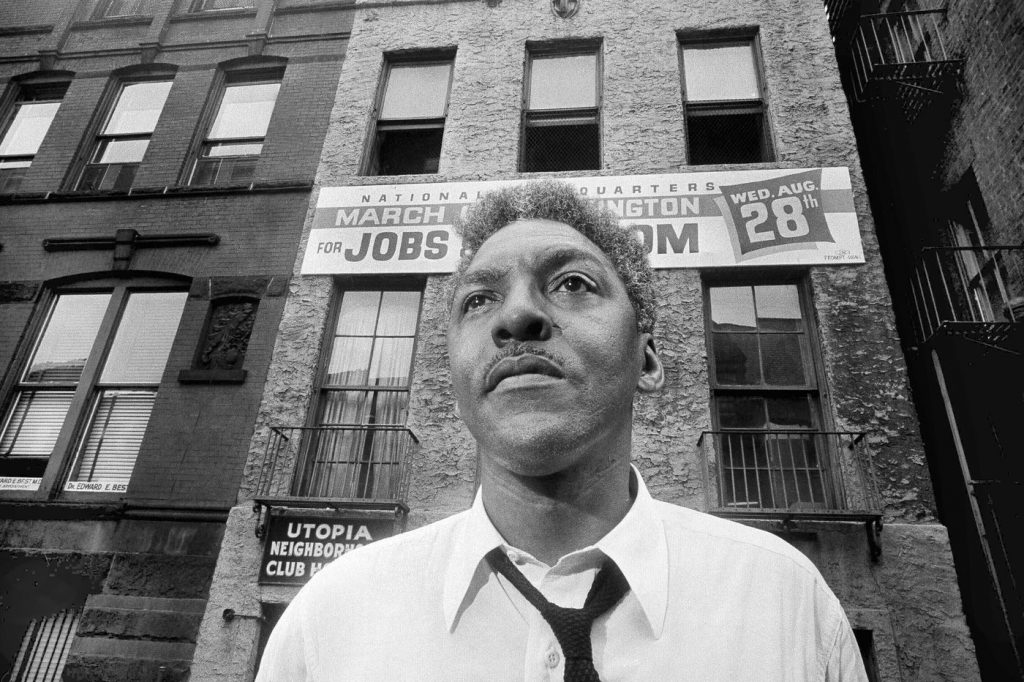
“I believe that I have a right to sit here,” I said quietly. “If I sit in the back of the bus I am depriving that child–’ I pointed to a little white child of five or six–”of the knowledge that there is injustice here, which I believe it is his right to know. It is my sincere conviction that the power of love in the world is the greatest power existing. If you have a greater power, my friend, you may move me.”
Following this literature and sentence, give a paragraph(150-170 words) what you think and discuss.
Love as Resistance: A Reflection on Bayard Rustin’s “Nonviolence vs. Jim Crow”
Student Name:
[Your Name]
Course:
[Course Title]
Instructor:
[Instructor’s Name]
Institution:
[School Name]
Date:
[Submission Date]
Bayard Rustin’s words turn a simple act of sitting into a profound moral statement. By standing firm in his choice to stay seated, Rustin reshapes the idea of resistance—not as an act of anger, but as a lesson grounded in love. His mention of the white child is particularly powerful. He’s not just fighting for his own rights; he’s shining a light on injustice so that future generations can’t pretend they didn’t see it. In this moment, Rustin implies that silence allows injustice to flourish, and that being visible is a crucial part of taking responsibility. His emphasis on love as “the greatest power existing” challenges conventional ideas of strength. Rather than physical force or authority, Rustin elevates moral conviction as the true engine of change. Love, in his argument, is not passive or sentimental. This approach is active, disruptive, and bold. By choosing to stand firm, he shows that nonviolence isn’t a sign of weakness; rather, it’s a powerful expression of human dignity that challenges oppression without mirroring it.
Delivering a high-quality product at a reasonable price is not enough anymore.
That’s why we have developed 5 beneficial guarantees that will make your experience with our service enjoyable, easy, and safe.
You have to be 100% sure of the quality of your product to give a money-back guarantee. This describes us perfectly. Make sure that this guarantee is totally transparent.
Read moreEach paper is composed from scratch, according to your instructions. It is then checked by our plagiarism-detection software. There is no gap where plagiarism could squeeze in.
Read moreThanks to our free revisions, there is no way for you to be unsatisfied. We will work on your paper until you are completely happy with the result.
Read moreYour email is safe, as we store it according to international data protection rules. Your bank details are secure, as we use only reliable payment systems.
Read moreBy sending us your money, you buy the service we provide. Check out our terms and conditions if you prefer business talks to be laid out in official language.
Read more