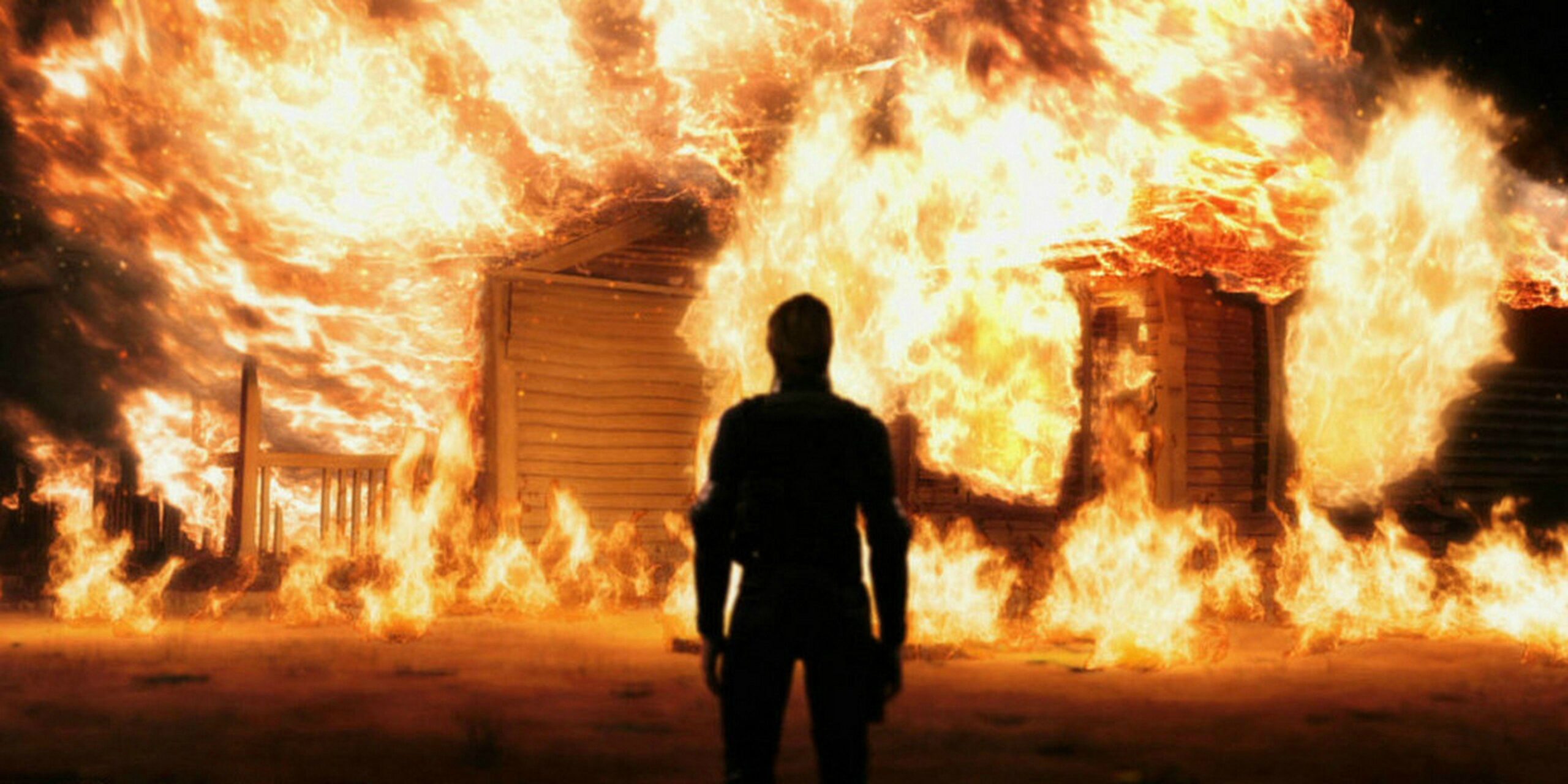
Greetings, weary literature students! You’ve read William Faulkner’s Barn Burning, and maybe you’ve found yourself here because you’re either enchanted by the idea of Southern Gothic drama or frantically typing into a search engine “what does this story even mean?” before your analysis is due. Do not panic – we’re here to assist you to work your way through the convoluted story of Faulkner, but not to blow yourself up in the process.
First published in 1939, Barn Burning tells the story of ten-year-old Sarty Snopes as he struggles with his loyalty to his father, Abner Snopes, who has a knack for setting things on fire. It’s a coming-of-age tale, but with a lot more destruction than your typical bildungsroman. Set against the backdrop of post-Civil War Mississippi, this story dives into themes of class conflict, family loyalty, and moral awakening – imagine it as a psychological thriller cleverly wrapped up in a short story about agricultural sabotage.
Sarty Snopes: The protagonist is really torn between his loyalty to his family and his own sense of right and wrong. He’s like every teenager who’s faced the tough choice of whether to cover for a parent who’s made some bad choices or to stand up for what’s right, but in his case, the stakes are way higher and there are even more barns involved.
Abner Snopes: The father in this story is a real piece of work. His way of tackling class inequality? Well, it involves matches and kerosene. He’s a mix of destructive pride and deep-seated social resentment, which makes him both relatable and downright frightening.
Lennie Snopes: Sarty’s mother embodies the collateral damage of Abner’s fury. She serves as the voice of reason in a family that has completely lost its grip on rational thought.
Major de Spain: The rich landowner embodies the established social order that Abner opposes through his fiery rebellion.
Class Conflict: In his work, Faulkner examines the struggle between the affluent and the impoverished in the post-Reconstruction South. Abner’s barn burning isn’t simply an act of vandalism; it’s his distorted version of class conflict.
Loyalty vs. Justice: At the heart of Sarty’s story is a deep conflict between loyalty to his family and his own sense of right and wrong. It raises that timeless question: do family bonds give you a free pass to overlook harmful behavior?
Coming of Age: The narrative depicts Sarty’s transformation as he discovers the importance of independent thought, moving away from the blind loyalty to his family’s wishes.
Fire represents both destruction and purification—Abner uses it for revenge, while it symbolizes Sarty’s moral cleansing. The barns themselves symbolize the established social order that Abner desperately wants to destroy. Blood imagery appears throughout, emphasizing family bonds and the violence underlying social relationships.
Faulkner’s use of stream-of-consciousness narration brilliantly shifts from Sarty’s childlike view to more adult reflections. The fragmented timeline and intricate sentence structures capture the protagonist’s confused emotions – it’s like peering into someone’s mind during a mental breakdown, but in a way that’s oddly compelling.
If Faulkner’s dense prose is making your head spin, don’t panic. Resources like StudyCreek offer detailed analysis guides, while DissertationHive provides comprehensive research support.
Remember, Barn Burning isn’t solely focused on pyromania—it’s a thoughtful examination of moral evolution, social inequality, and family dynamics. Now, go ahead and analyze confidently, and please, don’t set anything ablaze while you’re at it!
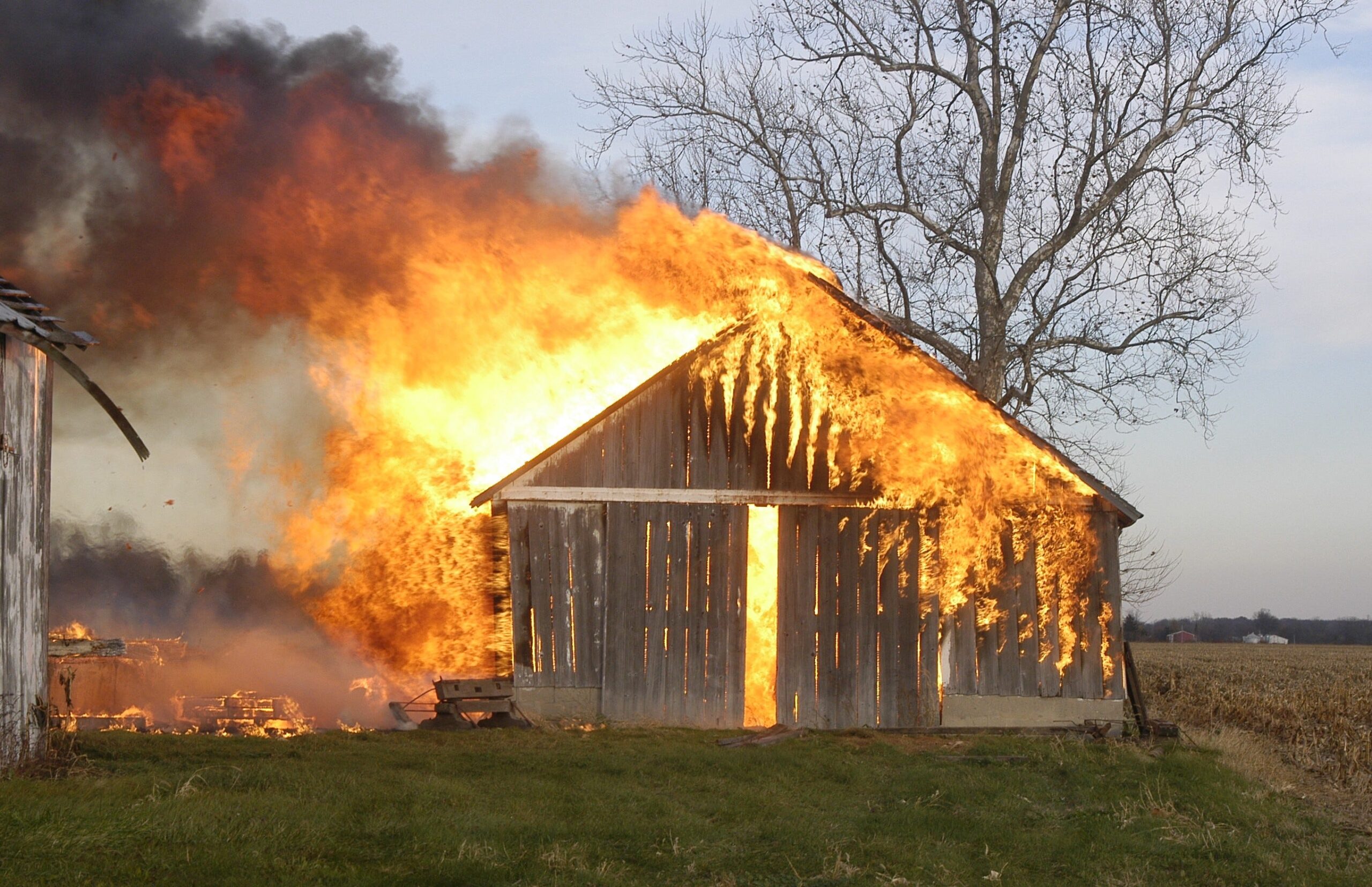
Sample Assignment:
In “Barn Burning,” the protagonist has a pretty concrete external struggle—it’s him against his dad. But in another sense, he’s struggling internally with an idea, a concept, a belief system. What kind of thematic questions does the boy’s internal struggle present to the reader?
Sample Answer:
Barn Burning: The Boy’s Internal Struggle and Thematic Questions for Readers
Student’s Name
Professor’s Name
Course Title
Date
Essay
In William Faulkner’s Barn Burning, we meet Sarty Snopes, a young boy caught in a tough spot due to his father’s destructive actions. But if you dig a little deeper, you’ll find that Sarty’s struggle isn’t just about his father; it’s also about a more personal battle within himself. He’s torn between his loyalty to his family and his commitment to truth and justice. This internal conflict raises important questions for readers about morality, duty, and what it means to find one’s own identity.
One of the key questions Faulkner explores through Sarty’s inner conflict is: How far should our loyalty to family go when it clashes with our moral principles? Sarty has a deep love for his father, yet he can’t ignore the wrongness of Abner’s actions. This struggle prompts readers to reflect on the tough balance between familial bonds and personal ethics. On a larger scale, the story pushes us to consider whether unwavering loyalty is ever acceptable if it results in harm or injustice.
A thought-provoking question arises about how we form our individual identities: At what moment does a child begin to shed the beliefs passed down to them and choose their own moral compass? Sarty’s conflict is not only with his father but also with a legacy steeped in resentment and violence. By ultimately choosing to oppose his father, he embodies the difficult but crucial separation that is part of claiming one’s moral autonomy.
Ultimately, Sarty’s internal battle encourages readers to consider the price of truth and justice. Opting for what’s right over loyalty can lead to feelings of alienation, loss, and even danger. Faulkner makes us question if the quest for justice is really worth giving up our connections and familial love.
In the end, Barn Burning reveals that Sarty’s struggle against his father is deeply intertwined with his inner conflict over love, justice and his own sense of identity. By presenting his fight this way, Faulkner encourages readers to grapple with a fundamental question: What do we owe to others, and what do we owe to ourselves?
Delivering a high-quality product at a reasonable price is not enough anymore.
That’s why we have developed 5 beneficial guarantees that will make your experience with our service enjoyable, easy, and safe.
You have to be 100% sure of the quality of your product to give a money-back guarantee. This describes us perfectly. Make sure that this guarantee is totally transparent.
Read moreEach paper is composed from scratch, according to your instructions. It is then checked by our plagiarism-detection software. There is no gap where plagiarism could squeeze in.
Read moreThanks to our free revisions, there is no way for you to be unsatisfied. We will work on your paper until you are completely happy with the result.
Read moreYour email is safe, as we store it according to international data protection rules. Your bank details are secure, as we use only reliable payment systems.
Read moreBy sending us your money, you buy the service we provide. Check out our terms and conditions if you prefer business talks to be laid out in official language.
Read more