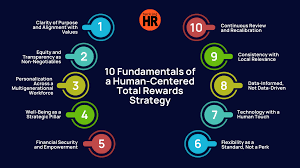
Total rewards strategies are essential tools for modern organizations striving to attract and retain top talent while maintaining financial health and strategic focus. By exploring how leading companies align these strategies with their mission and values, students in human resource management and organizational development can gain valuable, real-world insights.
Innovative companies are taking a bold step by weaving their own products and services into employee compensation packages. This not only creates a unique value proposition that boosts employee engagement but also helps cut down on traditional compensation costs. For instance, tech firms often provide their employees with the latest gadgets, software licenses, and digital services—items that would typically require a hefty personal investment.
This strategy serves several key purposes: it lowers cash compensation needs, familiarizes employees with the company’s offerings, and turns them into genuine brand advocates who truly understand the products from a user’s perspective. Employees enjoy access to top-notch products, while companies benefit from cost savings through internal pricing strategies and valuable product feedback.
For students looking to dive deeper into innovative compensation strategies, [StudyCreek.com](https://studycreek.com) is a fantastic resource. It offers a wealth of information on total rewards design, strategic compensation planning, and organizational alignment methodologies that shed light on these intricate integration techniques.
Crafting successful total rewards strategies takes a keen understanding of both what’s happening inside the organization and the external market forces that shape how effective compensation can be. On the internal side, strengths might include a vibrant company culture, cutting-edge products, or growth opportunities that can be tapped into through non-monetary rewards and career development initiatives.
On the flip side, external challenges often come from competitive talent markets, the need to comply with regulations, and economic pressures that can limit traditional compensation methods. To tackle these issues, forward-thinking organizations create flexible total rewards frameworks that can adjust to changing circumstances while staying aligned with their strategic goals.
For instance, during tough economic times, companies might pivot from focusing on cash compensation to offering equity participation, professional development opportunities, and improved work-life balance benefits. This way, they can maintain their appeal to employees without putting immediate strain on their cash flow.

The most successful total rewards strategies blend traditional monetary compensation with creative non-traditional benefits that meet the evolving expectations of employees and the goals of the organization. Traditional rewards typically include base salary, performance bonuses, health insurance, and retirement contributions, all of which cover essential employee needs and comply with regulations.
On the other hand, non-traditional rewards might involve flexible work arrangements, opportunities for professional growth, wellness programs, sabbatical leaves, and unique perks that help set an employer apart. These benefits often lead to higher employee satisfaction for every dollar spent compared to just increasing cash compensation.
Strategic organizations make sure these varied reward elements align with their specific objectives. For example, professional development programs can support succession planning, flexible work arrangements can boost productivity and retention, and wellness initiatives can lower healthcare costs while enhancing employee engagement.
When it comes to total rewards strategies, the most effective ones really show how benefit offerings align with a company’s core values. This creates genuine employee experiences that strengthen the organizational culture and mission. For instance, companies that prioritize environmental sustainability might offer perks like electric vehicle subsidies, renewable energy incentives, and carbon offset programs, allowing employees to embody those corporate values in their daily lives.
On the other hand, organizations that focus on innovation and learning often provide robust education reimbursement, support for attending conferences, and dedicated time for internal innovation. This approach fosters continuous development and sparks creative thinking. Such alignment ensures that employee experiences are cohesive, where compensation truly reflects cultural messages and strategic goals.
If you’re looking for in-depth academic support on analyzing total rewards alignment and designing strategic compensation, [DissertationHive.com](https://dissertationhive.com) is a great resource for students diving into advanced HR topics and integrating organizational strategies.

For organizations aiming to boost the effectiveness of their total rewards, it’s essential to consider expanding benefits programs that not only align with strategic objectives but also meet the evolving expectations of employees. Mental health and wellness initiatives are key areas for expansion, as they can enhance employee productivity while also cutting down on healthcare costs and absenteeism.
Financial wellness programs, which might include services for financial planning, emergency savings, and debt management, tackle the rising financial stress many employees face, ultimately improving retention and engagement. These initiatives show that organizations genuinely care about their employees’ well-being, extending beyond just traditional compensation.
Additionally, career development platforms that offer opportunities for internal mobility, skills assessments, and tailored learning paths can support employees’ growth ambitions while also addressing the organization’s succession planning needs.
Crafting a thoughtful total rewards program can truly transform organizations aiming for excellence and a competitive edge in challenging talent markets. Companies that skillfully combine their offerings, take into account both internal and external factors, blend traditional and modern rewards, align their benefits with core values, and continually refine their strategic offerings are positioning themselves for long-term success in the ever-evolving business landscape.
Below is a sample question:
This case study is focused on how 2 different companies use total rewards to support the organizations’ missions and values and achieve strategic outcomes. Select only 1 of the companies as the basis for your case study response. (This is not meant to be a comparison of the companies but an exploration of how 2 different companies use their compensation and benefits structures to achieve organizational outcomes). The paper must specifically address the following areas:
Below is the answer to the sample question:
Google’s Total Rewards Strategy: A Case Study in Strategic Compensation and Organizational Alignment
Name: [Student Name]
Course: Human Resource Management
Instructor: [Instructor Name]
Date:
Google’s unique take on total rewards showcases how top organizations can effectively use comprehensive compensation and benefits strategies to support their mission, reinforce corporate values, and achieve strategic goals. As one of the most admired employers globally, Google has transformed traditional compensation models by developing an integrated total rewards system that aligns employee experiences with organizational objectives, all while maintaining a competitive edge in the global talent market.
This case study delves into Google’s total rewards strategy through the lens of strategic human resource management. It analyzes how the company enhances employee compensation using its products and services, addresses both internal and external challenges, implements a mix of traditional and non-traditional rewards, aligns benefits with corporate values, and creates opportunities for strategic growth. Gaining insight into Google’s approach offers valuable lessons for human resource students looking to craft sophisticated total rewards strategies that drive organizational success.
Google’s mission “to organize the world’s information and make it universally accessible and useful” is woven into every facet of their total rewards philosophy, fostering a genuine connection between employee experiences and the organization’s purpose. This integration illustrates how strategic total rewards can be powerful tools for reinforcing culture and executing strategy.
Google is really pushing the envelope when it comes to innovation, especially in how it uses its own products and services to boost employee compensation packages. This creates a unique value that sets the company apart from more traditional employers, all while keeping cash compensation costs in check. Employees get premium access to Google Workspace apps, cloud storage, and top-notch productivity tools—things that would cost a pretty penny if they were to buy them on their own.
With Google Cloud credits, employees can dive into the latest tech for their personal projects, sharpening their skills and getting to know the products on a deeper level. This strategy serves several purposes: it lowers the need for traditional cash compensation, boosts employee expertise with Google products, and fosters genuine feedback loops that help shape product development.
Employees often receive Android devices and Pixel phones, allowing them to experience Google’s hardware ecosystem firsthand and act as brand ambassadors in their social circles. Plus, Google Play credits and YouTube Premium subscriptions sweeten the deal, all while keeping additional costs for the company relatively low.
For those in service areas, Google Fiber internet service is available, offering high-speed connectivity that enhances remote work efficiency and showcases the company’s infrastructure capabilities. These product integrations create a well-rounded employee experience that goes beyond the usual workplace setup.
Perhaps the most exciting perk is Google’s 20% time policy, which lets employees spend work hours on personal passion projects using company resources. This effectively gives them paid time to innovate and be creative. This unique benefit has led to the creation of many successful Google products while also providing employees with entrepreneurial opportunities within the corporate framework.
Google’s total rewards strategy showcases a thoughtful approach to both its internal strengths and the external challenges it faces in the market, all of which play a crucial role in how effective their compensation strategies are and how they position themselves strategically.
Internal Strengths Leveraged: Google really makes the most of its vibrant culture of innovation by offering a wealth of learning and development opportunities that not only foster employee growth but also enhance the company’s overall capabilities. Thanks to its solid financial standing, Google can provide generous equity compensation programs that align the interests of employees with the long-term success of the organization. The company’s esteemed brand reputation allows it to offer unique experiences and recognition opportunities that deliver substantial value to employees without breaking the bank.
Moreover, Google’s advanced technological infrastructure supports the delivery of innovative benefits, featuring sophisticated platforms for managing benefits, performance, and employee engagement, all of which enrich the employee experience while boosting operational efficiency.
External Challenges Addressed: Google is up against fierce competition for top tech talent, especially in niche areas like artificial intelligence and machine learning. To tackle this, the company has rolled out comprehensive equity programs that create significant wealth-building opportunities, along with signing bonuses that help offset opportunity costs and relocation assistance that eliminates barriers to attracting the best talent.
Navigating regulatory compliance across various jurisdictions can be quite a challenge, which is why flexible benefits administration systems are essential. These systems need to adapt to different legal requirements while ensuring a consistent employee experience worldwide. Google tackles this by offering localized benefits packages that cater to regional needs, all while staying true to the company’s core values and strategic goals.
Economic fluctuations can shake up traditional compensation methods, prompting Google to focus on long-term equity compensation and performance-based rewards. This approach aligns employee interests with the company’s sustainable success, rather than just reacting to short-term market changes.
Rewards Integration Google’s total rewards strategy brilliantly merges traditional compensation with innovative non-traditional benefits, addressing the changing expectations of employees while also supporting the company’s objectives.
Traditional Rewards: Google offers competitive base salaries that align with market standards for tech professionals, along with performance bonuses linked to both individual and company achievements. They also provide comprehensive health insurance, covering medical, dental, and vision needs, as well as retirement savings programs with company matching to help employees secure their financial future.
The company’s equity compensation programs, which include stock options and restricted stock units, offer substantial wealth-building opportunities while ensuring that employee interests are in sync with the organization’s performance. These traditional components create a strong foundation that meets essential employee needs and complies with regulations.
Non-Traditional Rewards: Google’s non-traditional benefits have gained a legendary status in the industry, showcasing how inventive rewards can boost employee satisfaction while aligning with organizational goals. Their on-site dining facilities, featuring gourmet food options, not only minimize time away from work but also foster social interactions that strengthen team bonds.
Fitness centers, massage services, and wellness programs are fantastic ways to boost employee health, cut down on healthcare costs, and enhance productivity. Sabbatical programs give long-term employees the chance to take extended time off for personal growth, travel, or volunteering, which helps blend work and life while keeping them engaged.
Pet-friendly policies let employees bring their dogs to work, adding a fun cultural touch that boosts workplace happiness and supports overall well-being. Transportation services like shuttle buses and bike-sharing programs ease commuting stress and show a commitment to the environment.
Learning and development opportunities encompass internal conferences, reimbursement for external education, and access to top-notch speakers and training programs that not only enhance employee skills but also build valuable organizational knowledge.
Google stands out for its remarkable alignment between the benefits it offers and its corporate values, crafting genuine employee experiences that strengthen its culture and mission while supporting strategic goals.
Innovation and Creativity Values: The well-known 20% time policy perfectly aligns with Google’s innovation values by giving employees dedicated time and resources to explore their creative ideas.
Hackathons and innovation challenges are fantastic ways to spark creativity and might just lead to some amazing product ideas. With access to the latest technology and research opportunities, employees can dive into emerging tech while boosting the organization’s capabilities.
When it comes to collaboration and teamwork, Google really shines. Their open office designs and collaborative workspaces foster a culture of teamwork and information sharing. Plus, team-building activities and social events help strengthen those all-important interpersonal relationships, reinforcing a collaborative spirit. Employees also get the chance to work on cross-functional projects, allowing them to break down organizational barriers and build a diverse set of skills.
Diversity and inclusion are at the heart of the company’s values. Their comprehensive programs include employee resource groups, mentorship opportunities, and bias training, all aimed at creating an inclusive environment that nurtures diverse talent. Family-friendly policies, like parental leave, childcare support, and flexible work arrangements, show a real commitment to work-life balance for all employees.
On the environmental front, the company is making strides with carbon-neutral campus operations, renewable energy initiatives, and sustainable transportation options. These efforts not only allow employees to engage in environmental stewardship but also reinforce the organization’s commitment to sustainability. With green building designs and waste reduction programs, the workplace truly reflects their environmental values.
As for strategic expansion recommendations, it’s essential to keep these values at the forefront of any growth plans.
Google’s total rewards program is quite extensive, but there are still some great opportunities for strategic growth that could better align HR practices with the company’s goals and values, all while addressing the evolving expectations of employees and the challenges in the market.
Enhancing Mental Health and Wellness: By expanding mental health support through robust employee assistance programs, on-site counseling, and stress management resources, we can tackle the rising concerns around employee wellness. This approach could not only help reduce healthcare costs but also boost productivity. Incorporating mindfulness and meditation programs would further promote employee well-being and highlight Google’s commitment to innovation and creativity.
Financial Wellness Initiatives: Offering financial planning services, debt management help, and emergency savings programs would alleviate financial stress for employees, leading to better retention and engagement. Additionally, homeownership assistance in the high-cost areas where Google operates could provide significant value to employees while fostering community stability.
Career Development and Mobility: Creating internal mobility platforms that make it easier for employees to move across functions and locations would support their growth and meet the staffing needs of the organization. Tailored leadership development programs for high-potential employees could enhance succession planning and offer clear paths for advancement.
Community Engagement and Social Impact: Implementing volunteer time off programs and matching community service efforts would empower employees to support causes they are passionate about, reinforcing Google’s commitment to social responsibility. Skills-based volunteering opportunities could also harness employee expertise for the greater good while helping to build leadership skills.
Flexible Work and Life Integration: By enhancing remote work options and offering flexible scheduling, companies can meet the evolving expectations of employees while also broadening their access to a wider talent pool. Expanding sabbatical programs could give more employees the chance to pursue personal growth and life experiences, ultimately fueling creativity and innovation within the organization.
Google’s total rewards strategy showcases how organizations can build comprehensive compensation and benefits systems that not only support their mission but also reinforce their values and drive strategic outcomes, all while staying competitive in tough talent markets. The company’s innovative blend of products and services, thoughtful responses to both internal and external challenges, and a creative mix of traditional and non-traditional rewards offer valuable insights for HR professionals.
For HR students, Google’s approach highlights the shift from traditional compensation management to a more strategic total rewards framework that enhances organizational effectiveness. Key takeaways include the significance of aligning rewards with core values, the benefits of innovative benefit design, and the necessity for ongoing adaptation to the changing expectations of employees and market dynamics.
Achieving success in a total rewards strategy demands a deep understanding of organizational culture, strategic goals, and employee needs, paired with creative problem-solving and innovative program design that fosters a sustainable competitive edge while promoting both individual and organizational success.
Delivering a high-quality product at a reasonable price is not enough anymore.
That’s why we have developed 5 beneficial guarantees that will make your experience with our service enjoyable, easy, and safe.
You have to be 100% sure of the quality of your product to give a money-back guarantee. This describes us perfectly. Make sure that this guarantee is totally transparent.
Read moreEach paper is composed from scratch, according to your instructions. It is then checked by our plagiarism-detection software. There is no gap where plagiarism could squeeze in.
Read moreThanks to our free revisions, there is no way for you to be unsatisfied. We will work on your paper until you are completely happy with the result.
Read moreYour email is safe, as we store it according to international data protection rules. Your bank details are secure, as we use only reliable payment systems.
Read moreBy sending us your money, you buy the service we provide. Check out our terms and conditions if you prefer business talks to be laid out in official language.
Read more