The Effects of the Feminism Movement: A Comprehensive Analysis
Introduction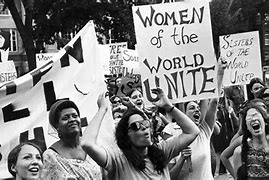
The feminism movement has been one of the most influential social revolutions in history, reshaping laws, economies, and cultural norms worldwide. Spanning over a century, the women’s movement has evolved through multiple waves, each addressing different aspects of gender inequality. From securing voting rights to challenging workplace discrimination and advocating for LGBTQ+ inclusivity, women’s movement has left an indelible mark on society.
This article explores the profound effects of the feminism movement, covering its historical roots, political and legal impacts, economic empowerment, cultural shifts, and ongoing challenges. Additionally, students researching gender studies or feminist theory can find expertly crafted essays and academic support at StudyCreek, a leading essay writing service.
Historical Context of Feminism
The Women’s movement did not emerge overnight—it developed in waves, each building upon the achievements of the previous one. Understanding these phases helps contextualize its long-term impact.
1. First-Wave Feminism (Late 19th – Early 20th Century)
The first wave focused on legal inequalities, particularly women’s suffrage. Key milestones include:
- 1848 Seneca Falls Convention – The first women’s rights convention in the U.S., demanding voting rights.
- 1920 – 19th Amendment (U.S.) – Granted American women the right to vote.
- 1918 – Representation of the People Act (UK) – Allowed some British women to vote.
This wave laid the foundation but was largely limited to white, middle-class women.
2. Second-Wave Feminism (1960s-1980s)
The second wave broadened women’s movement scope, addressing:
- Workplace discrimination – The Equal Pay Act (1963) and Title IX (1972) were landmark victories.
- Reproductive rights – The legalization of birth control (1965) and abortion (Roe v. Wade, 1973).
- Domestic violence awareness – Shelters and legal protections for survivors emerged.
Critics argue this wave still excluded women of color and LGBTQ+ voices.
3. Third-Wave Feminism (1990s-2000s)
This phase embraced intersectionality (coined by Kimberlé Crenshaw) and expanded the women’s movement to include:
- Race, class, and sexuality – Recognizing that gender oppression intersects with other identities.
- Body positivity – Challenging unrealistic beauty standards.
- LGBTQ+ rights – Advocacy for same-sex marriage and transgender rights.
4. Fourth-Wave Feminism (2010s-Present)
Driven by social media activism, the fourth wave focuses on:
- #MeToo Movement – Exposing sexual harassment in workplaces and institutions.
- Trans-inclusive feminism – Advocating for transgender women’s rights.
- Online activism – Hashtags like #TimesUp and #YesAllWomen amplify feminist discourse.
For a deeper historical dive, visit History of Feminism.
Political and Legal Effects of Feminism
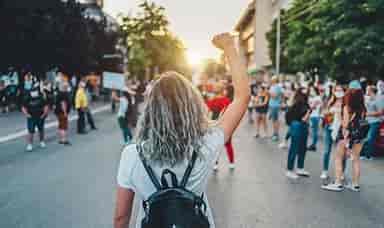
Feminism has radically transformed legal systems and political representation worldwide.
1. Women’s Suffrage and Political Participation
- Before the women’s movement, women were barred from voting in most democracies.
- Today, countries like New Zealand (1893) and Finland (1906) were pioneers, while Saudi Arabia only granted women suffrage in 2015.
- Rwanda leads globally with 61% women in parliament (2023), showing women’s movement legislative impact.
2. Anti-Discrimination Laws
- Equal Pay Act (1963, U.S.) – Aimed to abolish wage disparities (though the gender pay gap persists).
- Violence Against Women Act (1994) – Provided legal protections against domestic abuse.
- CEDAW (1979) – The UN’s Convention on the Elimination of All Forms of Discrimination Against Women set global standards.
3. Reproductive Rights
- Access to contraception and abortion remains contentious.
- While Roe v. Wade (1973) was overturned in 2022, women’s movement groups continue fighting for bodily autonomy.
- Countries like Argentina and Ireland recently legalized abortion due to feminist activism.
For legal resources, see ACLU Women’s Rights
Economic Empowerment Through Feminism
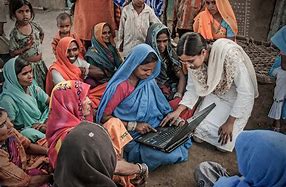
The women’s movement has significantly altered women’s economic roles, though disparities remain.
1. Workplace Equality
- More women in leadership – CEOs like Mary Barra (GM) and Rosalind Brewer (Walgreens) break glass ceilings.
- Gender pay gap – Women earn 82 cents for every dollar men earn (Pew Research). Black and Latina women face even wider gaps.
- Parental leave policies – Countries like Sweden offer 480 days of paid leave, promoting gender-balanced childcare.
2. Increased Workforce Participation
- In 1950, only 34% of U.S. women worked outside the home; today, it’s 57%.
- STEM fields still lack gender parity, but initiatives like Girls Who Code are bridging the gap.
3. Female Entrepreneurship
- Women-owned businesses grew 21% from 2014-2019 (National Women’s Business Council).
- Organizations like Women Who Tech and SheEO provide funding and mentorship.
For career advancement tips, visit Lean In.
Cultural and Social Impact of Feminism
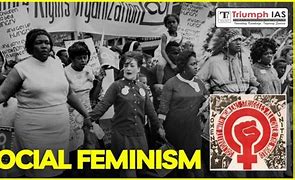
Beyond laws and economics, women’s movement reshaped societal norms and media representation.
1. Challenging Gender Stereotypes
- Stay-at-home dads and male nurses are more accepted today.
- Toxic masculinity is increasingly critiqued, promoting healthier expressions of manhood.
2. Media Representation
- Films like “Wonder Woman” and “Little Women” highlight strong female leads.
- Body positivity movements challenge unrealistic beauty standards (e.g., #EffYourBeautyStandards).
3. #MeToo and Sexual Harassment Awareness
- Since 2017, #MeToo has exposed predators in Hollywood, politics, and corporate America.
- Companies now enforce stricter anti-harassment policies.
For media analysis, see Geena Davis Institute.
Ongoing Challenges in Feminism
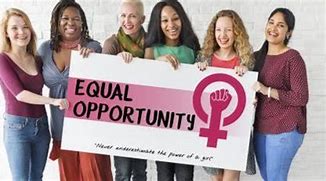
Despite progress, the women’s movement faces backlash and unresolved issues.
1. Backlash and Misconceptions
- Some claim feminism is “anti-men” despite its focus on equality.
- “Feminazi” stereotypes persist, discouraging some from embracing women’s movement.
2. Intersectional Feminism
- Women of color, disabled women, and trans women still face compounded discrimination.
- Black feminism (e.g., bell hooks, Audre Lorde) highlights race’s role in gender oppression.
3. Global Gender Inequality
- In Afghanistan, the Taliban bans girls from schools.
- Child marriage remains legal in some U.S. states.
For global efforts, visit UN Women.
