Learn the effects of cultural competence in healthcare, and how it benefits patients and enhances the strength of healthcare organizations. Discover the reasons why cultural competence is a crucial skill to be mastered by contemporary practitioners and hospitals.
In the modern world that is becoming more diverse, healthcare professionals are involved with patients of diverse cultural, ethnic, linguistic, and religious backgrounds. These disparities affect the way the individuals perceive sickness, discuss the symptoms, make decision on medical care, and respond to treatment. Consequently, cultural competence in healthcare has ceased to be a best practice it is a professional requirement.
Health care establishments that do not emphasize cultural competence usually lose their way in communication, patient satisfaction, and differences in care outcomes. Conversely, any institution that invests in cultural competence in healthcare is always characterized by better patient trust, safety, and general quality of care. This paper will discuss the true meaning and importance of cultural competence in healthcare and its role in changing the experiences of patients and the success of the professionals.
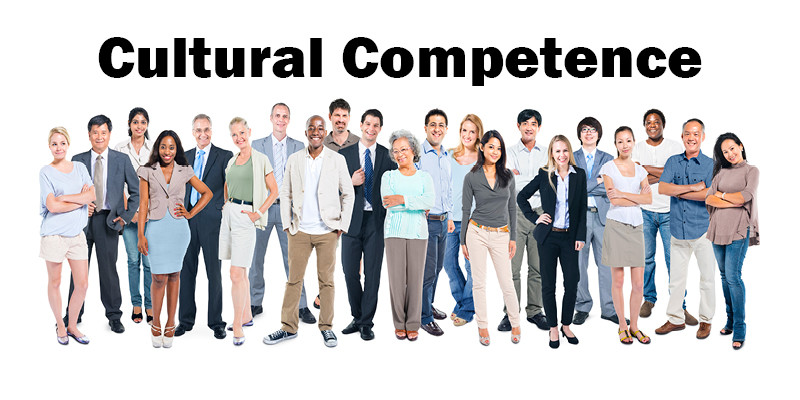
Cultural competence in healthcare defines caring that is sensitive and responsive to cultural needs of the patient, and is the capacity of healthcare providers and institutions to effectively offer healthcare. It entails appreciation of cultural differences, how culture affects health beliefs and behaviors as well as learning to adjust care practices to provide equal treatment.
Cultural competence in healthcare is not one skill; instead, it is a continuous process and an exercise that encompasses cultural awareness, cultural knowledge, sensitivity, and practice. Health care practitioners have to dwell on their biases in the process of learning about the communities in which they operate. This methodology will make care patient focused, respectful and ethical.
The health care systems all over the world are working with more diverse populations than ever. Migration, globalization, and demographic changes imply that in healthcare, cultural competence becomes a crucial element of attaining patient needs and preventing the expensive misunderstanding.
Lack of cultural competence can lead to the health care practitioner unintentionally misinterpreting patient symptoms, neglecting any cultural health practices or even lack the ability to effectively communicate. Such gaps may cause misdiagnosis, ineffective compliance with treatment, and decreased trust of the patient. When cultures are given priority in healthcare, this helps organizations prevent differences and establish safer and more inclusive care facilities.
Effective healthcare delivery is based on trust. Patients who feel respected and understood will be in a better position to provide the right information and adhere to the treatment suggestions. Healthcare cultural competence enables professionals to speak in a manner that is acceptable to patients, which builds a stronger relationship between the provider and patients.
Culturally competence care has been found to lead to higher levels of patient satisfaction as well as confidence in the healthcare provider.
One of the major causes of medical errors is communication barriers. Healthcare cultural competence aids practitioners in overcoming language barriers, non-verbal communication patterns, and culture that determine how the practitioner attends to the patient.
With the help of culturally acceptable communication approaches, healthcare givers decrease the level of misunderstanding, clarity, and increases the level of patient safety. This is a significant advantage that makes cultural competence in healthcare an important operation priority.
Studies have always indicated that culturally competent care results in greater health outcomes. Once the patients comprehend their treatment options and get the sense of being respected, they will follow the prescription more closely and come to follow-ups, as well as preventive measures.
Cultural competence in healthcare enables health care providers to build care plans in line with the belief and lifestyle of the patients with a more positive and sustainable health outcome.
Systemic barriers, prejudice, and cultural illiteracy tend to create health disparities. Cultural competence in healthcare field is a critical factor in mitigating these inequities by supporting equal treatment and non-discriminatory care delivery.
Cultural competence investments in healthcare organizations are a sign of social responsibility as well as an enhancement of access and quality care to underserved groups.
Patient autonomy, dignity, and diversity need to be respected in ethical healthcare practice. Cultural competence in healthcare facilitates ethical decision making because care is given in a manner that does not violate cultural beliefs and preferences of patients.
Further, cultural competence is being highlighted as an element of quality and compliance by numerous accreditation and regulatory organizations. The legal risks are minimized and professional credibility is enhanced because healthcare institutions that prioritize cultural competence avoid legal problems.
Healthcare personnel are becoming more multicultural in themselves. The cultural competence in healthcare can help achieve respectful collaboration between professionals who may represent various backgrounds, enhancing the work of teams and organizational culture.
A culturally competent workforce is better communicative and resolves conflicts in a constructive manner and provides coordinated patient care.
Culturally competent healthcare organizations are associated with increased clientele, collaborations, and competent employees. Cultural competence in healthcare improves credibility, increases patient retention and helps to grow sustainably.
Those institutions which do not adapt will risk being left behind in an industry which is becoming more and more focused on inclusivity and patient-centered care.

Opened: Monday, January 5, 2026, 12:00 AM
Due: Tuesday, January 13, 2026, 11:59 PM
Define cultural competence. Explain the importance of Cultural competence in our profession. Provide examples
Rubric:-
-5 pages maximum including references and introduction page
-APA format including references
-At Leat 3 references not older than 5 years
Due date: Saturday 9/06/2025 at 11:59 pm
General Structure of an APA Essay
An APA-formatted essay typically includes the following sections:

Professional practice: cultural competence.
Student Name
Institution
Course Name
Instructor
Date
ABSTRACT
Cultural competence has made its way to be a a necessity in professional practice in a more globalized and diverse society. The modern professionals are exposed to people of various cultural, ethnic, religious, and linguistic diversities and cultural awareness and cultural sensitivity play a crucial role in effective service delivery. Cultural misperceptions may have some destructive implications on communication, trust, and performance in any profession, in healthcare, education, and social services. The paper will define cultural competence, describe its significance in professional practice, and give real life examples of how cultural competence leads to more than just professional effectiveness and ethical professional practice.
Cultural Competence is defined as the capacity of a person or other individuals to deliver healthcare services that are culturally suitable, effective, and safe for the patient and the healthcare provider alike (Boehl, 2017).
Cultural competence is a term used to indicate the capacity of professionals to comprehend, honor and successfully deal with persons of various cultural orientations. The Centers of Disease Control and Prevention (CDC, 2022) defines cultural competence as the level of awareness of own cultural worldview, understanding of various cultural practices and views, and the adaptability of professional conduct to address the cultural needs of other individuals. It is not a static accomplishment but a continuous learning process, self-reflection, and development of a skill.
In the workplace, cultural competence involves being able to identify cultural variations in communication patterns, values, health beliefs, family setup and decision making. It also involves the need to shun stereotypes and biases and embrace equity, inclusion, and respect. Finally, cultural competence is helpful in ethical practice that allows making sure that the services are provided in a way that is respectful, just, and sensitive to various populations.
The relevance of Cultural Competence in Our Profession.
The reason why cultural competence is so essential is that it coincides directly with the quality of professional services, their effectiveness, and equity. In a career where there is direct contact with the clients, patients or communities then cultural misunderstandings may cause miscommunication, distrust, and bad results. Professionalism that is culturally competent offers a better chance to develop trust, collaboration and overall satisfaction.
Cultural competence has been shown to enhance patient outcomes in healthcare by increasing communication, adherence to treatment and patient safety. Patients feeling comprehended and respected will better respond to medical guidance and take an active role in the treatment (Kaihlanen et al., 2021). Equally, culturally competent professionals in education and social services establish an inclusive environment that facilitates learning, emotional and healthy life, and equitable access to resources.
Ethical and legal reasons also make cultural competence necessary. Social justice and nondiscrimination are two features of many professional codes of ethics which focus on respect of diversity. The inability to offer culturally-suitable services can lead to the occurrence of ethical or professional misconduct or legal implications. Besides, a culturally competent practice assists in the elimination of systemic inequalities and decreases disparities in marginalized populations.
The Cultural Competence in Professional Practice.
Cultural competence in healthcare can be illustrated by the situation where a nurse is aware of the fact that some patients prefer to have their family members involved in medical decision-making because of cultural values. As opposed to demanding that individuals do the decision making alone, the nurse listens and talks to the family members yet remains patient. This strategy enhances confidence and personalization of care with cultural beliefs of the patient.
The other example is in the field of mental health services where the aspect of cultural competence enables the professional to know how mental illness is conceived in various cultures. Individuals can demonstrate their distress psychologically or can attach stigma to mental health problems.
A culturally competent practitioner is flexible in their evaluation and treatment methods to achieve proper diagnosis and culturally competent care (Stubbe, 2020).
Cultural competence in the educational environment is expressed in the way the teachers implement the diversified perspective in the curriculum and acknowledge various learning styles which depend on the cultural background. As an example, linguistic diversity can be considered with the recognition of this diversity and the inclusion of inclusive learning resources as an opportunity to enhance student engagement and academic success.
Cultural competence in professions is also associated with the skill of communication, e.g. hiring interpreters in the case of language barriers or not relying on cultural stereotypes to make assumptions. The practices enhance respect, inclusion, and professional excellence.
Conclusion
Cultural competence is a core professional practice skill that enables cultural competence to enhance effective communication, ethical service delivery, and positive outcomes to diverse populations. Learning about culture, considering personal prejudices, and changing professional strategies will enable practitioners to bring increased trust, equity and effectiveness to the workplace. Due to the increasing diversity of societies, cultural competence is not something to be desired anymore but a must-have aspect of responsible and professional conduct. Cultural competence requires continuous learning and self-awareness as a way to provide high-quality and inclusive services.
References
Centers for disease control and prevention. (2022). Health and human services cultural competence.
https://www.cdc.gov
The article by Kaihlanen, A. M., Hietapakka, L., and Heponiemi (2021) will be referenced herein. Creating more cultural awareness: Qualitative analysis of the perceptions of nurses regarding cultural competence training. BMC Nursing, 20(1), 1-9.
https://doi.org/10.1186/s12912-021-00551-5
Stubbe, D. E. (2020). Being culturally competitive and culturally humble with varied patients. Focus, 18(1), 49-51.
https://doi.org/10.1176/appi.focus.20190041
Delivering a high-quality product at a reasonable price is not enough anymore.
That’s why we have developed 5 beneficial guarantees that will make your experience with our service enjoyable, easy, and safe.
You have to be 100% sure of the quality of your product to give a money-back guarantee. This describes us perfectly. Make sure that this guarantee is totally transparent.
Read moreEach paper is composed from scratch, according to your instructions. It is then checked by our plagiarism-detection software. There is no gap where plagiarism could squeeze in.
Read moreThanks to our free revisions, there is no way for you to be unsatisfied. We will work on your paper until you are completely happy with the result.
Read moreYour email is safe, as we store it according to international data protection rules. Your bank details are secure, as we use only reliable payment systems.
Read moreBy sending us your money, you buy the service we provide. Check out our terms and conditions if you prefer business talks to be laid out in official language.
Read more