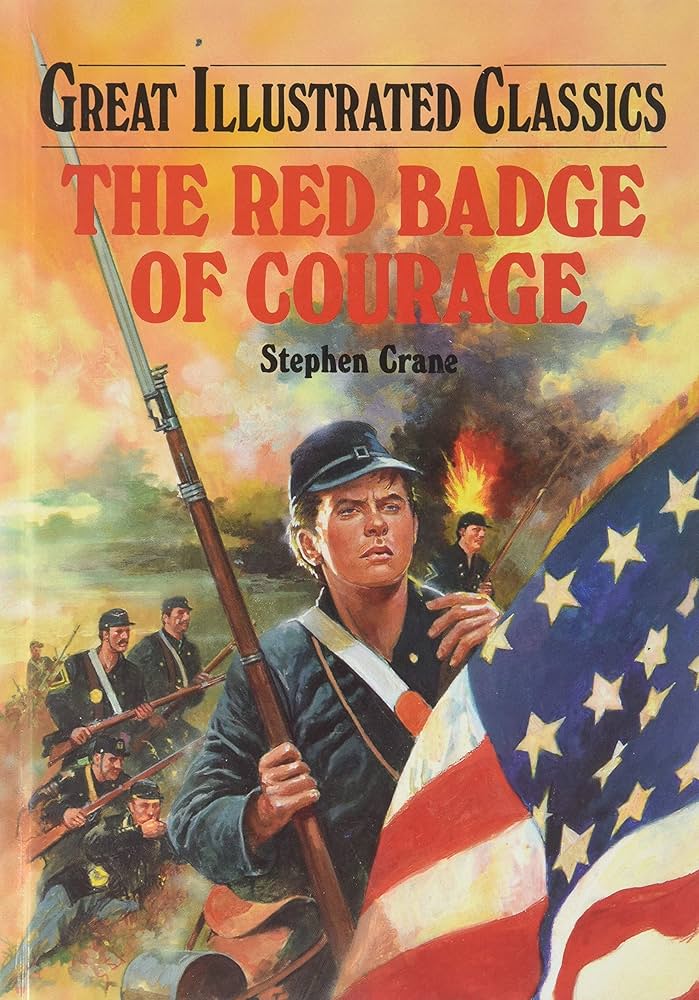
Greetings, literature students! Today, we’re diving into two iconic American stories: Stephen Crane’s The Red Badge of Courage (1895) and L. Frank Baum’s The Wonderful Wizard of Oz (1900). One tells the tale of a frightened soldier during the Civil War, while the other follows a Kansas farm girl and her unexpected friends. Both are timeless coming-of-age stories that explore themes of bravery, self-discovery, and the realization that adults often have a way of misleading us about, well, just about everything. If you’re comparing texts at StudyCreek or developing thesis arguments at DissertationHive, this unlikely literary pair offers rich analytical territory.
In The Red Badge of Courage, Henry Fleming joins the Union Army filled with dreams of glory, but he quickly learns that war is a terrifying and chaotic experience, far from the heroic tales he had envisioned. He flees from his first battle, grapples with feelings of shame throughout the story, and ultimately decides to return to the fight. Yet, it remains wonderfully unclear whether he’s truly brave or simply numb to it all.
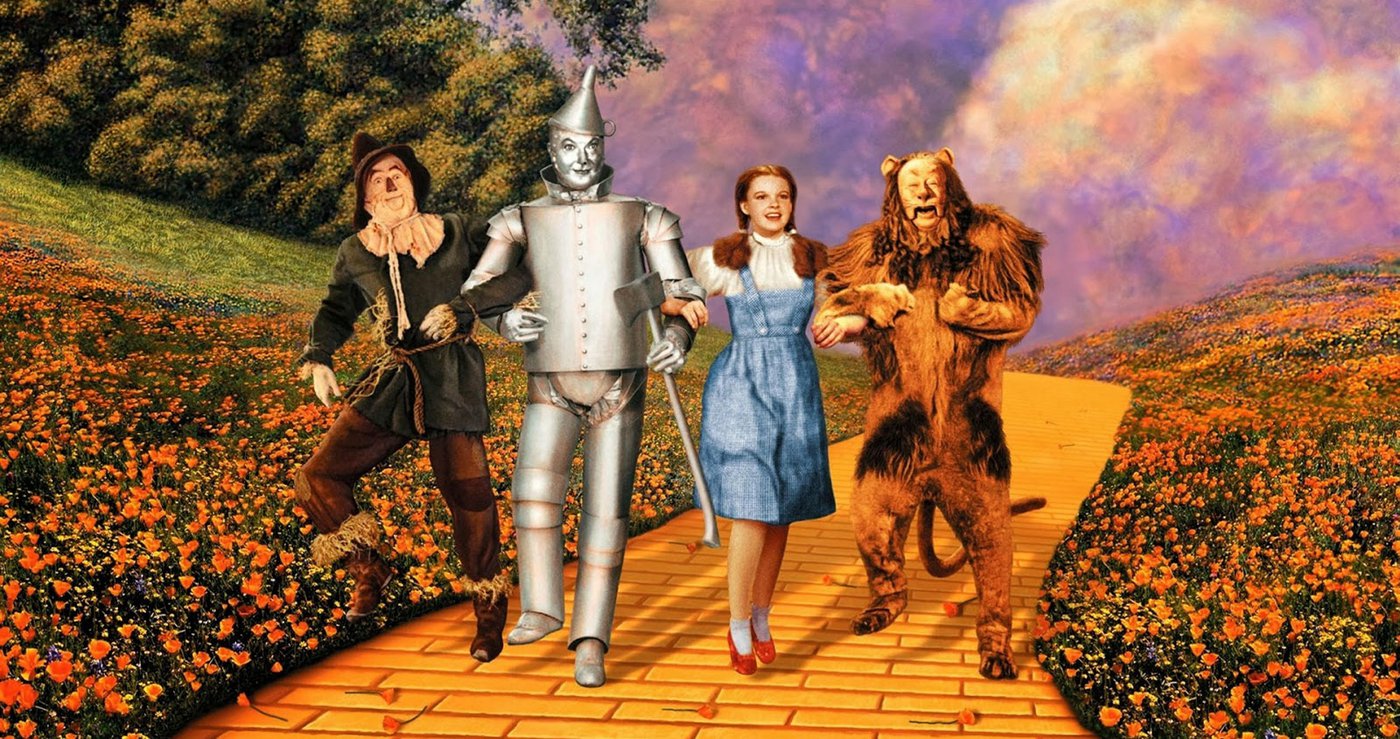
Dorothy Gale gets swept away by a tornado to the magical land of Oz, accidentally takes out a witch with her house (classic move), and sets off on an adventure to find her way back home. Along her journey, she teams up with some quirky friends who are on their own quests for a brain, a heart, and a bit of courage from a wizard who turns out to be a total fraud. Spoiler alert: they actually had those qualities all along, which can be either really touching or super annoying, depending on how much you enjoy life lessons.
Both texts demolish the myth of authority figures who supposedly have answers:
Crane’s Generals: Military leadership is absent, incompetent, or invisible. Henry is left to navigate a world without guidance or heroic mentors, just the confusion of men stumbling through the fog and the chaos of gunfire. The authority figures around him don’t offer any clarity—they’re just as lost as everyone else.
Baum’s Wizard: The great and powerful Oz is literally a man behind a curtain pulling levers. The supposed source of wisdom and power is a humbug from Omaha running an elaborate con. Dorothy’s journey reveals that institutional authority—represented by the Wizard—is performative nonsense.
The lesson? Adults don’t actually know what they’re doing. They’re just better at pretending.
Here’s where the texts diverge fascinatingly:
Crane’s Ambiguous Courage: Henry’s so-called “bravery” in later battles could really just be a mix of exhaustion, peer pressure, or even emotional numbness. Crane doesn’t sugarcoat courage; instead, he hints that what we often label as heroism might just be a random survival instinct or the result of societal conditioning. It’s a perspective that feels deeply cynical yet strikingly realistic.
Baum’s Inherent Courage: The Cowardly Lion realizes that he had courage within him all along; he just needed someone to help him see it. Baum’s message is a gentle reminder: you already possess everything you need; it’s just a matter of recognizing it. Courage isn’t something you earn through hardship; it’s something that comes to light when you become more self-aware.
Crane’s Impressionistic Naturalism: The writing style is fragmented, sensory, and a bit chaotic, reflecting Henry’s troubled mind. Crane was a trailblazer in literary impressionism, skillfully portraying the confusion of war through jarring imagery and a stream-of-consciousness approach. It’s like modernism before it even became a trend!
Baum’s Straightforward Fantasy: The story unfolds in a clear and straightforward way, with each character embodying a different human trait. Every challenge they face imparts a valuable lesson. It’s allegorical, but not in a way that feels forced, offering readers relatable moral insights without being preachy.
Henry: Returns to battle, earns his metaphorical “red badge” (a head wound mistaken for combat injury—even his badge is fraudulent), and ends the novel with questionable self-satisfaction. Has he grown? Matured? Or just learned to suppress panic? Crane leaves it maddeningly open.
Dorothy: Clicks her heels, returns to Kansas, and declares “there’s no place like home.” She’s learned to value what she had, though one could argue she’s also learned that magical adventures are exhausting and Kansas, while boring, doesn’t have flying monkeys.
These texts showcase two distinct American literary traditions: one that leans towards cynicism and psychological depth, while the other radiates optimism and moral lessons. Together, they highlight how the same themes—like courage, maturity, and authority—can be examined from completely different perspectives.
For Your Essay: Take a moment to think about how the genre of each text shapes its overall message. Look into how the historical context—like the post-Civil War era compared to the optimism of the turn of the century—affects their portrayal of courage. Consider whether Crane’s use of ambiguity or Baum’s straightforwardness does a better job of supporting the coming-of-age story.
The takeaway? Sometimes, the yellow brick road takes you to wisdom, while other times, it just leads you into more confusion and chaos. Both paths are completely valid; both reflect the essence of the American experience.
Now go write. Your thesis awaits, and unlike Henry and Dorothy, you don’t need a wizard or a wound to complete your quest.
Courage is an important theme in The Red Badge of Courage and The Wonderful Wizard of Oz. Compare and contrast the characters of Henry and The Lion. How do they show their lack of courage? How do they eventually show courage? Who shows the most courage? Explain in a five paragraph essay.
Student Name
Professor Name
Course Title
Date
A Comparative Study of Courage in The Red Badge of Courage and The Wonderful Wizard of Oz
Courage plays a pivotal role in both Stephen Crane’s The Red Badge of Courage and L. Frank Baum’s The Wonderful Wizard of Oz. Even though these stories come from different genres and eras, both Henry Fleming and the Cowardly Lion face their own emotional battles, grappling with self-doubt and inner turmoil before they truly understand what it means to be courageous. As they navigate their journeys, each character transitions from fear to personal growth, showcasing different yet complementary perspectives on bravery.
Henry Fleming kicks off The Red Badge of Courage with a glorified view of war. He imagines himself as a hero, but when he actually encounters danger, panic sets in. His true lack of bravery shows when he abandons his regiment in the heat of battle. Overwhelmed by fear, Henry cares more about how others see him than the conflict itself. His shame grows when he spots wounded soldiers and envies their physical “red badges” of courage. This early display of cowardice reveals his immaturity and emotional fragility.
In The Wonderful Wizard of Oz, the Lion starts off his adventure firmly believing he has no courage whatsoever. Even though he attempts to roar and put on a brave face, he quickly confesses to Dorothy and her friends that he’s really just a coward at heart. As he faces the various challenges along the yellow brick road, he often doubts his own abilities and shakes with fear. The Lion thinks of courage as something he simply doesn’t possess, like a physical trait he missed out on at birth. His actions early on show that he lets fear dictate what he does and who he is.
Despite their initial worries, both characters ultimately show real courage. For Henry, the moment of change comes when he chooses to go back to his regiment. Rather than fleeing from the fight, he stands tall in the next battle, bravely carrying the flag forward even under heavy fire. His bravery isn’t about grand speeches; it’s all about taking disciplined action. Through the challenges he faces, Henry grows up, demonstrating that true bravery comes from perseverance and a sense of responsibility.
The Lion shows his bravery well before the Wizard ever acknowledges it. He stands up for Dorothy against threats, faces dangers in the forest, and takes action even when he’s scared. Baum illustrates that real courage isn’t about being fearless; it’s about doing what needs to be done despite your fears. So, when the Wizard finally awards him a medal, it represents the courage the Lion has always had but never truly recognized in himself.
When you look at the two characters, it’s clear that the Lion embodies the most consistent and profound courage. Unlike Henry, who flees from his first battle, the Lion bravely faces danger time and again, even when he’s shaking with fear. His journey teaches us that true courage isn’t about being fearless; it’s about pushing through despite that fear. While Henry does eventually find his bravery, his growth is more gradual, and his actions are often driven by guilt and pride. In contrast, the Lion’s courage is rooted in compassion, protection, and genuine sincerity.
To wrap things up, both Henry and the Cowardly Lion grapple with their fears and insecurities before they ultimately tap into their inner strength. Their journeys highlight that courage is something we have to learn, test, and earn over time. While both characters show bravery in their own significant ways, it’s the Lion’s unwavering readiness to confront danger that truly embodies what it means to be courageous.
Delivering a high-quality product at a reasonable price is not enough anymore.
That’s why we have developed 5 beneficial guarantees that will make your experience with our service enjoyable, easy, and safe.
You have to be 100% sure of the quality of your product to give a money-back guarantee. This describes us perfectly. Make sure that this guarantee is totally transparent.
Read moreEach paper is composed from scratch, according to your instructions. It is then checked by our plagiarism-detection software. There is no gap where plagiarism could squeeze in.
Read moreThanks to our free revisions, there is no way for you to be unsatisfied. We will work on your paper until you are completely happy with the result.
Read moreYour email is safe, as we store it according to international data protection rules. Your bank details are secure, as we use only reliable payment systems.
Read moreBy sending us your money, you buy the service we provide. Check out our terms and conditions if you prefer business talks to be laid out in official language.
Read more