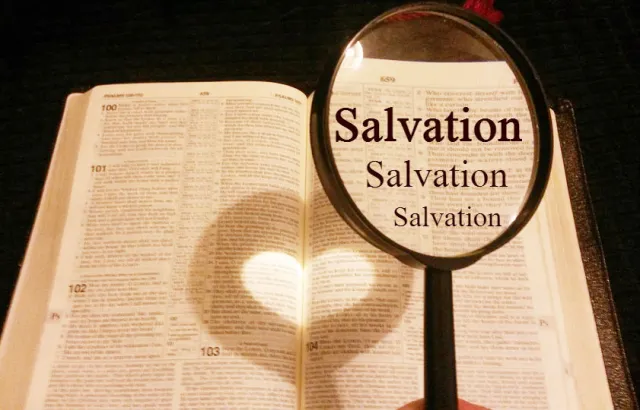
Biblical images of salvation stands out as one of the most powerful metaphorical frameworks in Western literature. It has given writers, from Dante to Morrison, a rich symbolic language that resonates with readers on a deep level. These aren’t merely religious ideas; they are literary treasures that have influenced everything from medieval allegories to modern-day novels.
The Challenge: To truly grasp the imagery of salvation in the Bible, it’s essential to consider both its theological importance and its role in literature, often at the same time. It’s like trying to appreciate a song while also understanding music theory – possible, but requiring some mental gymnastics.
This pastoral metaphor turns the concept of salvation into a rescue story with distinct roles: the lost sheep representing humanity, the caring shepherd as a divine figure, and the dangerous wilderness symbolizing sin or separation. Literature has a soft spot for this imagery because it beautifully weaves together themes of vulnerability, guidance, and protection all in one neat package. From “Paradise Lost” to “The Lion, the Witch and the Wardrobe,” writers have really tapped into this metaphor, squeezing every bit of meaning from it.
The image of light battling darkness is perhaps one of the most universally recognized symbols of salvation, resonating across various cultures and contexts. It’s not only visually captivating and emotionally powerful, but it also creates a striking contrast that works well in both literal and metaphorical storytelling. From Melville to Toni Morrison, writers have tapped into this duality to delve into themes of knowledge, hope, and spiritual awakening.
Baptismal imagery beautifully captures the idea of salvation as a kind of rebirth through water – washing away the old self and emerging fresh and new. This powerful metaphor pops up everywhere, from the river scenes in “Huckleberry Finn” to the rain symbolism found in countless novels. It resonates so well because water embodies both destruction and renewal at the same time.
The idea of salvation as a communal meal highlights the importance of inclusion, abundance, and celebration. Metaphors like the “wedding feast” and “bread of life” have shaped how we think about community, hospitality, and social justice in literature. Think of how many significant literary moments happen around shared meals – it’s not coincidental.
When you come across potential biblical imagery, it’s important to think about both the direct references and the wider themes they might suggest. Authors often weave in biblical metaphors even when the context isn’t explicitly religious, tapping into the deep emotional and symbolic power these images hold.
When you stumble upon possible biblical imagery, it’s crucial to consider not just the direct references but also the broader themes they might evoke. Writers often incorporate biblical metaphors, even in non-religious contexts, drawing on the profound emotional and symbolic resonance these images carry.
Biblical salvation imagery often operates on several levels at once—personal, communal, and cosmic. A solid literary analysis delves into how authors take advantage of this rich, multi-layered potential.
Biblical imagery of salvation continues to resonate in literature because it taps into fundamental human experiences: the longing for rescue, the yearning for change, the quest for belonging, and the pursuit of meaning. These metaphors offer writers familiar symbols that carry deep emotional significance.
Modern authors continue employing these images, sometimes subverting traditional meanings. Understanding the original context helps readers appreciate both faithful usage and deliberate inversion of biblical salvation imagery.
When analyzing biblical imagery, remember that literary function often matters more than theological accuracy. Authors may use these symbols for their emotional or cultural resonance rather than their doctrinal precision.
Look for patterns: How does the author establish the metaphor? How is it developed throughout the text? What happens when traditional imagery is challenged or subverted?
Struggling with complex religious symbolism or intertextual analysis? StudyCreek offers comprehensive resources for students navigating biblical imagery and literary symbolism.
Need deeper academic support with your literature coursework and symbolic analysis projects? DissertationHive provides expert assistance for students tackling challenging texts and thematic interpretation.

Examine redemption as one of the biblical images of salvation and define and describe the doctrine with its biblical, historical and theological contours as well as discuss how this image of salvation relates to and addresses the problem of sin. Finally, apply the implications of this doctrine to the Christian life and for the chosen vocation.
Student Name
Professor’s Name
Course Title
Date
Introduction
The idea of redemption is central to Christian theology, serving as one of the most powerful biblical symbols of salvation. It’s deeply rooted in themes of deliverance and liberation, showcasing how God works to free humanity from the grip of sin and mend our relationship with Him. This doctrine is enriched by a wealth of biblical, historical, and theological insights that highlight the profound nature of God’s saving grace. Delving into the concept of redemption not only sheds light on the issue of sin but also reveals its significance for living a Christian life and fulfilling one’s calling.
Definition and Description of the Doctrine
When we look at it through a biblical lens, redemption is often seen as a way of “buying back” or a “ransom” from slavery. In the Old Testament, the Hebrew word ga’al typically referred to a kinsman-redeemer, someone who stepped in to rescue family members from hardship or captivity – think of the story of Ruth and Boaz in Ruth 4. A key example of God’s redemption is when He freed Israel from Egypt, as noted in Exodus 6:6, which paints a powerful picture of salvation as a form of liberation from oppression.
Fast forward to the New Testament, and we see redemption reaching its peak through Christ’s sacrificial death and resurrection. Paul tells us that believers are “justified freely by his grace through the redemption that came by Christ Jesus” (Romans 3:24, NIV). The Greek word apolutrōsis highlights both the idea of deliverance and the significant cost of that freedom – specifically, the blood of Christ (Ephesians 1:7).
Throughout history, the concept of redemption has played a pivotal role in Christian beliefs. The early church fathers highlighted Christ’s triumph over sin and death, often referring to it as the “ransom theory.” As time went on, reformers like Martin Luther and John Calvin shifted the focus to redemption as Christ’s act of substitution, which fulfilled divine justice and freed humanity from the consequences of sin. From a theological perspective, redemption showcases God’s grace and sovereignty: it’s not something we can earn through our own efforts, but rather a gift bestowed upon us through divine will.
Redemption and the Problem of Sin
The image of redemption directly addresses the problem of sin by portraying humanity as enslaved and powerless to free itself. Sin brings about feelings of guilt and creates a kind of bondage, twisting the very essence of human nature and the way we connect with one another. Redemption responds by providing both forgiveness and liberation. Through Christ, believers are not only freed from the consequences of sin but also given the strength to overcome its hold on their lives. In this way, redemption presents salvation as more than just a legal pardon; it’s a powerful transformation that ushers us into a whole new way of living.
Application to Christian Life and Vocation
The concept of redemption has deep implications for how Christians live their lives. For starters, it encourages believers to embrace freedom—not as captives of sin, but as devoted servants of righteousness. This freedom isn’t about indulging oneself; it’s about being empowered to love and serve others (Galatians 5:13). Additionally, redemption brings hope: Christians can live with the confidence that God’s saving grace redeems not just individuals, but all of creation. When it comes to their vocations, redemption influences how Christians view their roles, whether they’re in ministry, business, education, or the arts.
Every task can be seen as a way to participate in God’s redemptive work, reflecting values like justice, restoration and service. For example, a teacher might see education as a way to free students from ignorance, showcasing the redemptive nature of God’s salvation.
Conclusion
Redemption, as depicted in the Bible, beautifully illustrates the deep truth of how God frees us from the chains of sin and offers us a fresh start in Christ. It’s a concept deeply rooted in Scripture, enriched by the wisdom of historical theology, and firmly anchored in divine grace. Redemption reveals how salvation tackles humanity’s most pressing issue—sin—and brings with it a glimmer of hope for real change. For Christians, redemption isn’t just a theological idea; it’s a vibrant reality that influences everyday life and work. By embracing a redemptive way of living, believers become a testament to the God who saves, heals and rejuvenates everything around us.
Delivering a high-quality product at a reasonable price is not enough anymore.
That’s why we have developed 5 beneficial guarantees that will make your experience with our service enjoyable, easy, and safe.
You have to be 100% sure of the quality of your product to give a money-back guarantee. This describes us perfectly. Make sure that this guarantee is totally transparent.
Read moreEach paper is composed from scratch, according to your instructions. It is then checked by our plagiarism-detection software. There is no gap where plagiarism could squeeze in.
Read moreThanks to our free revisions, there is no way for you to be unsatisfied. We will work on your paper until you are completely happy with the result.
Read moreYour email is safe, as we store it according to international data protection rules. Your bank details are secure, as we use only reliable payment systems.
Read moreBy sending us your money, you buy the service we provide. Check out our terms and conditions if you prefer business talks to be laid out in official language.
Read more